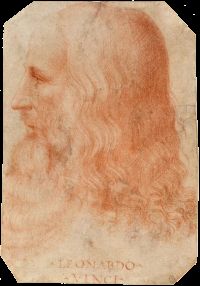
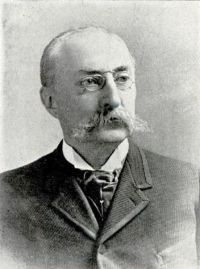
The wrist, a complex anatomical region situated between the forearm and hand, consists of carpal bones, joints, and ligaments, facilitating flexible motion and the transfer of force. From anatomical texts to literary works, writers have long examined its dual nature: as a functional joint, it permits pronation, supination, and intricate hand movements, as observed by Albert Blaisdell and Leonardo da Vinci.
In literature, Jack London and George Eliot highlight its delicate beauty, while Delaumosne portrays it as a symbolic channel of will and power. This combination of form and meaning emphasizes the wrist’s significance as both a biological wonder and a narrative element.
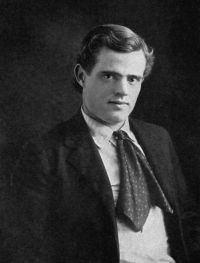 Jack London,
The Night-born
(1913)
Jack London,
The Night-born
(1913)