Nightingale

Definition and stakes

John Legg,  Natural History of the Nightingale (1779)

“ Though the nightingale has no exterior charms, no beautiful colours to please the eye, though he is not distinguished for the fineness of his dress, and the elegance of his plumage, he has other qualifications to recommend him, other accomplishments which render him truly amiable. The melody of his voice sufficiently compensates for his want of beauty, and no other bird can vie with him in the softness, the strength, the boldness, and the variety of his notes. Though he does not exceed the sparrow in magnitude, he is the loudest warbler of the woods, and the most pleasing of all the grove. ”
Source: Wikisource

P. G. Patmore,  Mirror of the Months

“ That is the Nightingale’s voice. The cold spells of winter, that had kept him so long tongue-tied, and frozen the deep fountains of his heart, yield before the mild breath of Spring, and he is voluble once more. It is as if the flood of song had been swelling within his breast ever since it last ceased to flow; and was now gushing forth uncontrollably, and as if he had no will to control it: for when it does stop for a space, it is suddenly, as if for want of breath. In our climate the nightingale seldom sings above six weeks; beginning usually the last week in April. ”
Source: Gutenberg

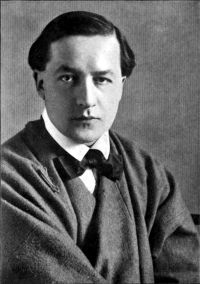
Portrait of Oscar Wilde Oscar Wilde,  The Happy Prince, and Other Tales (1888)

“ So the Nightingale pressed closer against the thorn, and louder and louder grew her song, for she sang of the birth of passion in the soul of a man and a maid.
And a delicate flush of pink came into the leaves of the rose, like the flush in the face of the bridegroom when he kisses the lips of the bride. But the thorn had not yet reached her heart, so the rose's heart remained white, for only a Nightingale's heart's-blood can crimson the heart of a rose.
”
Source: Wikisource

Get perspective with Kwize: daily news enlightened by great literature