Melody

Definition and stakes

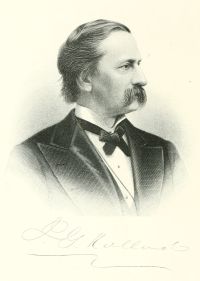
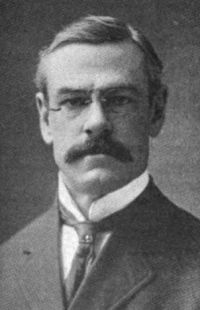
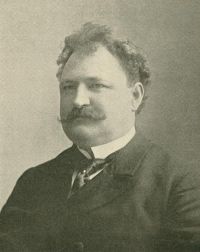
Portrait of Henry Osborn Taylor Henry Osborn Taylor The Mediaeval Mind (1911)

In the
fusing of melody and words into an utterance of song—at last into a strophemusic worked potently, shaping the composition of the lines, moulding them to rhythm, insisting upon sonorousness in the words, promoting their assonance and at last compelling them to rhyme so as to meet the stress, or mark the ending, of the musical periods. Thus the exigencies of melody helped to evoke the finished verse, while the words reciprocating through their vocal capabilities and through the inspiration of their meaning, aided the evolution of the melodies.
Source: Wikisource

Anglo-Saxon Riddles of the Exeter Book (1963)

Clearly I call, keeping the melody, An old evening-singer unceasing in song, To earls in their houses I bring great bliss; When I chant my carols in varying strains, Men sit in their dwellings silent and still. Say what I’m called who mimic so clearly The songs of a jester, and sing to the world Many a melody welcome to men.
Source: Wikisource

Lilian Staveley The Golden Fountain

Since coming into this new way of living, the more I come into contact with music the more I sense a mysterious connection between melody—the soul—and her origin. Alone out of all the sciences and arts, music has no foundation upon anything on earth. There is no music in nature until the soul, come to a perfect harmony within herself, brings out the hidden harmony in all creation, and, turning it to melody within herself, returns it to her Lord in song, whether by outward instrument or inward love.
Source: Gutenberg

Get perspective with Kwize: daily news enlightened by great literature