Rhyme

Definition and stakes

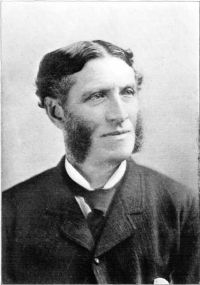
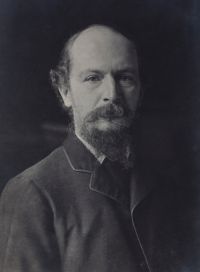
Portrait of Oscar Wilde Oscar Wilde Selected Prose of Oscar Wilde

Rhyme, that exquisite echo which in the Muse’s hollow hill creates and answers its own voice; rhyme, which in the hands of the real artist becomes not merely a material element of metrical beauty, but a spiritual element of thought and passion also, waking a new mood, it may be, or stirring a fresh train of ideas, or opening by mere sweetness and suggestion of sound some golden door at which the Imagination itself had knocked in vain; rhyme, which can turn man’s utterance to the speech of gods
Source: Gutenberg

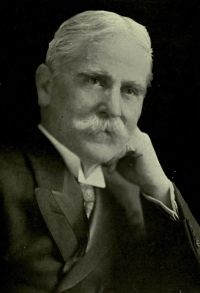
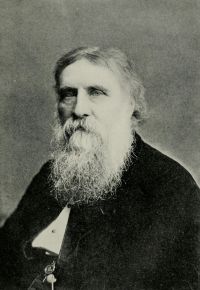
Portrait of Ralph Waldo Emerson Ralph Waldo Emerson Letters and social aims (1875)

Melody, Rhyme, Form.—Music and rhyme are among the earliest pleasures of the child, and, in the history of literature, poetry precedes prose. Every one may see, as he rides on the highway through an uninteresting landscape, how a little water instantly relieves the monotony: no matter what objects are near it,—a gray rock, a grass-patch, an alder-bush, or a stake,—they become beautiful by being reflected. It is rhyme to the eye, and explains the charm of rhyme to the ear.
Source: Gutenberg

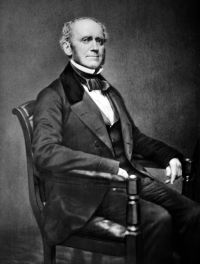
Portrait of Ralph Waldo Emerson Ralph Waldo Emerson Letters and social aims (1875)

Let Poetry then pass, if it will, into music and rhyme. That is the form which itself puts on. We do not enclose watches in wooden, but in crystal cases, and rhyme is the transparent frame that allows almost the pure architecture of thought to become visible to the mental eye. Substance is much, but so are mode and form much. The poet, like a delighted boy, brings you heaps of rainbow bubbles, opaline, air-borne, spherical as the world, instead of a few drops of soap and water.
Source: Gutenberg

Get perspective with Kwize: daily news enlightened by great literature