Burlesque

Definition and stakes

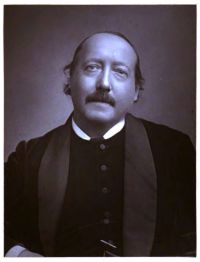
Portrait of William Davenport Adams William Davenport Adams,  A Book of Burlesque: Sketches of English Stage Travestie and Parody

“ Modern burlesque was fortunate indeed in its founders—all of them men of education and refinement, all of them men of letters as well as playwrights. To the literary merit of their products it is unnecessary to bear more than the briefest testimony, for it is everywhere, and by everybody, acknowledged. In the writings of these four men theatrical burlesque was seen at its best. They came fresh to the task, and made the most of their opportunities. They set themselves really to travestie and to parody, and were careful to present, amid their wildest comicalities, a definite, intelligible story. ”
Source: Gutenberg

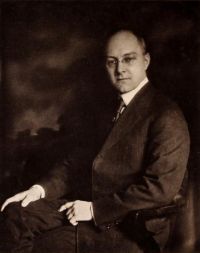
Portrait of Claude Moore Fuess Claude Moore Fuess,  Lord Byron as a satirist in verse (1912)

“ Broadly speaking, a burlesque is any literary production in which there is an absurd incongruity in the adjustment of style to subject matter or subject matter to style, humor189 being excited by a continual contrast between what is high and what is low, what is exalted and what is commonplace.358 The peculiar effect of burlesque is ordinarily dependent upon its comparison with some form of literature of a more serious nature. ”
Source: Gutenberg

Brett Page,  Writing for Vaudeville

“ Making its appeal particularly to those who like their humor of the elemental kind, the burlesque tab often uses slap-stick comedy methods. Frankly acknowledging this, vaudeville burlesque nevertheless makes a clean appeal. It does not countenance either word or gesture that could offend. Since its purpose is to raise uproarious laughter, it does not take time to smooth the changes from one comedy bit to the next, but one bit follows another swiftly, with the frankly avowed purpose to amuse, and to amuse for the moment only. ”
Source: Gutenberg

Get perspective with Kwize: daily news enlightened by great literature