Travesty

Definition and stakes

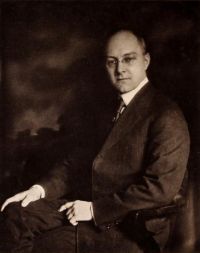
Portrait of Claude Moore Fuess Claude Moore Fuess,  Lord Byron as a satirist in verse (1912)

“ The parody has been a popular variety of satire, and examples of it may be discovered in the productions of any sophisticated or critical age.359 The travesty, in the narrow sense of the term, is a humorous imitation of another work, the subject matter remaining substantially the same, being made ridiculous, however, by a grotesque treatment and a less imaginative style. A serious theme is thus deliberately degraded and debased. The commonest subjects of travesty have been derived, as one might expect, from mythology or from the great epic poems. ”
Source: Gutenberg

The Green Fairy Book

“ The wretch not long after managed to approach me under another form, and one day, when I was in the garden, and asked for some refreshment, he brought me—in the disguise of a slave—a draught which changed me at once to this horrid shape. Whilst I was fainting with terror he transported me here, and cried to me with his awful voice: “There shall you remain, lonely and hideous, despised even by the brutes, till the end of your days, or till some one of his own free will asks you to be his wife. ”
Source: Gutenberg

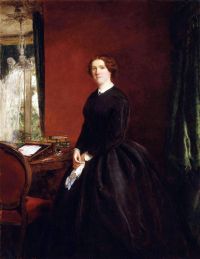
Portrait of Charlotte M. Brame Charlotte M. Brame,  A Fair Mystery: The Story of a Coquette

“ He gave one hurried glance around on a scene he was never to forget—the luxurious boudoir, its hangings, its lights and flowers; the bridal costume, all torn into shreds: the crimson stain, spreading so slowly, so horribly; the beautiful dead face upraised to the light; the white breast, with its terrible wound; the quiet figure, the golden hair—and, with a moan of unutterable remorse, he turned away. ”
Source: Gutenberg

Get perspective with Kwize: daily news enlightened by great literature