Parody

Definition and stakes

Thomas Wright,  A History of Caricature and Grotesque in Literature and Art

“ The drama thus bore marks of its origin in its extraordinary licentiousness of language and costume, and in the constant use of the mask. One of its most favourite instruments of satire was parody, which was employed unsparingly on everything which society in its solemn moments respected—against everything that the satirist considered worthy of being held up to public derision or scorn. Religion itself, philosophy, social manners and institutions—even poetry—were all parodied in their turn. ”
Source: Gutenberg

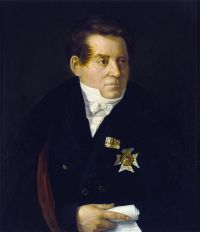
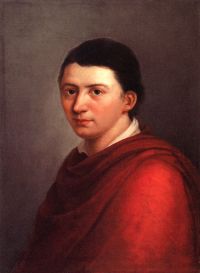
Portrait of Friedrich von Schlegel Friedrich von Schlegel,  The philosophy of life, and philosophy of language…

“ At other times it comes forward in an equally lavish and boundless prodigality of wit and raillery; sometimes, too, a serious humor lurks in the wit, while a mocking parody makes sport with the very humor, or a still loftier tone of irony, from its height of spiritual exaltation, soars above both wit and humor, and the whole work itself—nay, above all besides, and even the very universe. ”
Source: Gutenberg

Parodies of the works of English & American authors… (1886)

“ What do we parody but the absurdities of dramatic writers, who frequently make their heroes act against nature, common sense and truth? After all” he ingeniously adds, “it is the public, not we, who are the authors of these PARODIES; for they are usually but the echoes of the pit, and we parodists have only to give a dramatic form to the opinions and observations we hear. ”
Source: Gutenberg

Get perspective with Kwize: daily news enlightened by great literature