Ballade

Definition and stakes

Ballades and Rondeaus, Chants Royal…

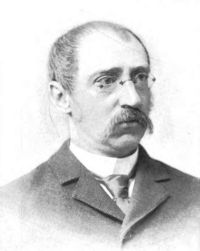
“ He says—"The poet who begins a ballade does not know very exactly what he will put into it. The rhyme, and nothing but the rhyme, will whisper things unexpected and charming, things he would never have thought of but for her, things with strange and remote relations to each other, all united in the disorder of a dream. ”
Source: Gutenberg

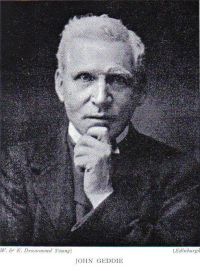
Edmund William Gosse,  1911 Encyclopædia Britannica, Volume 3… (1911)

“ The modern English ballades have been, as a rule, closely modelled on the lines laid down in the 15th century by Henri de Croi. With the exception of the sonnet, the ballade is the noblest of the artificial forms of verse cultivated in English literature. It lends itself equally well to pathos and to mockery, and in the hands of a competent poet produces an effect which is rich in melody without seeming fantastic or artificial. ”
Source: Wikisource

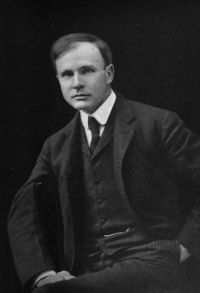
Portrait of Joyce Kilmer Joyce Kilmer,  The Circus, and Other Essays and Fugitive Pieces

“ Furthermore, the ballad is not the ballade. The ballade is a highly artificial form of verse, French in origin, consisting, as a rule, of three eight-line stanzas and a four-line envoi, with only three rhymes in all twenty-eight lines. People with a taste for untra-modern spelling sometimes label these productions "ballads" instead of "ballades," and other people sometimes try to give their ballads an archaic flavor by labeling them "ballades." Both practices are utterly unjustifiable. A ballade is no more a ballad than a sonnet is a quatrain. ”
Source: Gutenberg

Get perspective with Kwize: daily news enlightened by great literature