Summary

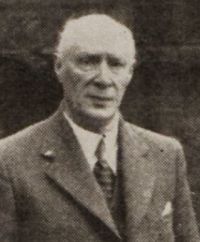
Portrait of Lewis Spence Lewis Spence Legends & Romances of Spain

Unrestrained in execution, daubed in colours of the harshest crudity, uneven in outline and distressing in ensemble, they are more fitted for the scullions’ hall than the picture-gallery. Yet they may not be passed over in a work dealing with Spanish romance, and they point a moral which in this twentieth century it is fitting that we should digest—that if a nation acquiesce in the debasement of its literary standards and revel in the worthless and the excitement of meretricious fiction, it will cease to excel among the comity of peoples. Literature is the expression of a nation’s soul.
Source: Gutenberg

Portrait of Lewis Spence Lewis Spence Legends & Romances of Spain

Is not the sad lesson of Amadis one for the consideration of our own people? Spain was never so great as when its first books roused her chivalry to an ardour of knightly patriotism, and she was never so little as when the printing-presses of Burgos and Valladolid and Saragossa flooded her cities with a mercenary and undistinguished fiction, prompted by commercial greed, and joyfully received by a public avid for the drug of sensation.
Source: Gutenberg

Portrait of Lewis Spence Lewis Spence Legends & Romances of Spain

We must turn our backs on the scarlet southern land and ascend to the bare heights of Castile and Asturias, where Christian Spain, prisoned for half a thousand years upon a harsh and arid plateau, and wrought to a high passion of sacrifice and patriotism, burst into a glory of martial song, the echoes of which resound among its mountains like ghostly clarions on a field of old encounter.
Isolation and devotion to a national cause are more powerful as incentives to the making of romance than an atmosphere of Eastern luxuriance.
Source: Gutenberg

Get perspective with Kwize: daily news enlightened by great literature