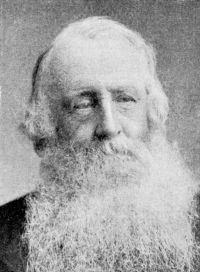
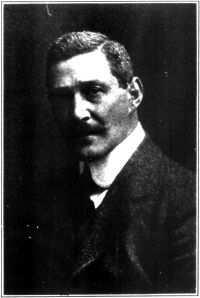
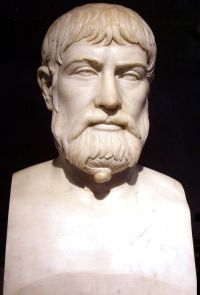
Argos, an ancient city in the Peloponnese, appears in literature as a crossroads of myth, history, and geography. Writers from antiquity to the 19th century have examined its legacy, from Pindar’s poetic references to Edward A. Freeman’s archaeological insights into its once-powerful acropolis.
Mary Macgregor portrays it as a mythical birthplace of Perseus and Andromeda, while William Dean Howells recalls its tragic connections to Orestes’ revenge. Charles Bucke highlights its sacred statue of Jupiter, merging the divine with the everyday. These diverse viewpoints emphasize Argos’ dual nature as both a historical ruin and a continuing emblem of Greek antiquity, its story inscribed in both stone and poetry.
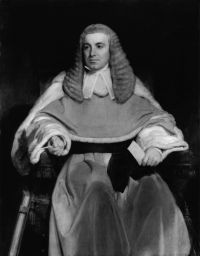 Thomas Noon Talfourd,
Ion — Act V
(1835)
Thomas Noon Talfourd,
Ion — Act V
(1835)