Argonauts

Definition and stakes

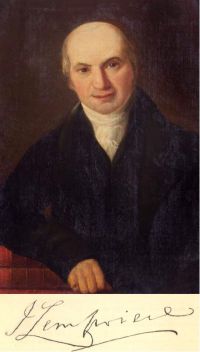
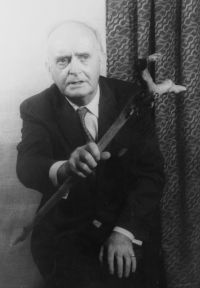
Portrait of Charles Kingsley Charles Kingsley,  The Heroes; Or, Greek Fairy Tales for My Children

“ Therefore we will believe—why should we not?—of these same Argonauts of old, that they too were noble men, who planned and did a noble deed; and that therefore their fame has lived, and been told in story and in song, mixed up, no doubt, with dreams and fables, and yet true and right at heart. So we will honour these old Argonauts, and listen to their story as it stands; and we will try to be like them, each of us in our place; for each of us has a Golden Fleece to seek, and a wild sea to sail over ere we reach it, and dragons to fight ere it be ours. ”
Source: Gutenberg

M. B. Synge,  A Book of Discovery

“ Then the Argonauts came out into the open sea—the Black Sea. No Greek had ever crossed it, and even the heroes, for all their courage, feared "that dreadful sea and its rocks and shoals and fogs and bitter freezing storms," and they trembled as they saw it "stretching out before them without a shore, as far as the eye could see."
Wearily they sailed on past the coast of Asia; they passed Sinope and the cities of the Amazons, the warlike women of the east, until at last they saw the "white snow peaks hanging glittering sharp and bright above the clouds.
”
Source: Gutenberg

Harold Edgeworth Butler,  Post-Augustan Poetry From Seneca to Juvenal

“ The relief of the Argonauts, when at last they reach haven after their fearful passage of the Symplegades, is like that of Theseus and Hercules, when they have forced a way through the gates of hell to the light of day once more. [511] Most remarkable of all is the strange accumulation of similes that describe the meeting of Jason and Medea. Medea is going through the silent night chanting a song of magic, whereat all nature trembles. ”
Source: Gutenberg

Get perspective with Kwize: daily news enlightened by great literature