Minyans

Definition and stakes

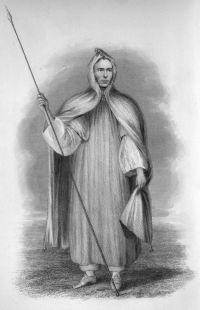
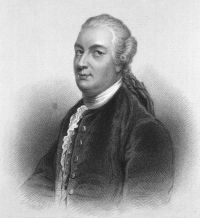
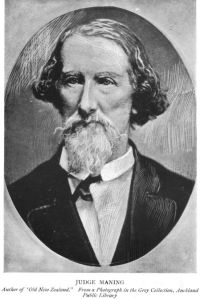
Portrait of Karl Otfried Müller Karl Otfried Müller,  History of the Literature of Ancient Greece (1847)

“ In this sense the Minyans of Orchomenus and Iolcus, ruled by the Æolids Athamas and Cretheus, were of Æolian origin; a nation which, by the stability of its political institutions, its spirit of enterprise, even for maritime expeditions, and its colossal buildings, holds a pre-eminent rank among the tribes of the mythical age of Greece. ”
Source: Wikisource

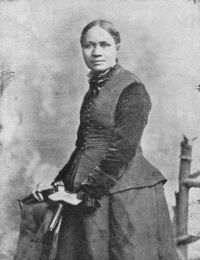
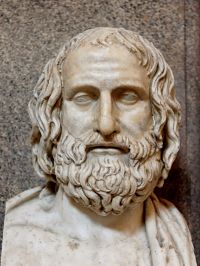
Portrait of Euripides Euripides,  The Tragedies of Euripides — The Madness of Herakles (1896)

“ Megara.
Forlorn of friends, we heard that thou hadst died.
Herakles.
Wherefore came on you this despair of me?
Megara.
The heralds of Eurystheus published this.
Herakles.
But why did ye forsake mine home and hearth?
Megara.
By force: thy father from his bed was flung. 555
Herakles.
Had he no shame to outrage these grey hairs?
Megara.
Shame?—from that Goddess far his dwelling is!
Herakles.
So poor of friends am I when far away!
Megara.
Friends!—what friends hath a man unfortunate?
Herakles.
Scorned they the fights with Minyans I endured? 560
Megara.
”
Source: Wikisource

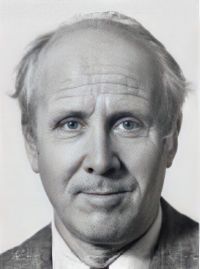
J. N. Larned,  History for ready reference, Volumes 1 to 5 (1895)

“ We can now understand why it is that neither in the Old Testament nor in the Assyrian inscriptions do we hear of any princes of Ma'in, and that though the classical writers are acquainted with the Minæan people they know nothing of a Minæan kingdom. The Minæan kingdom, in fact, with its culture and monuments, the relics of which still survive, must have flourished in the grey dawn of history, at an epoch at which, as we have hitherto imagined, Arabia was the home only of nomad barbarism. ”
Source: Gutenberg

Get perspective with Kwize: daily news enlightened by great literature