A legation, a diplomatic mission ranked below an embassy, was historically headed by a minister rather than an ambassador, reflecting its lower standing in the diplomatic hierarchy. Once the primary form of international representation, legations were gradually phased out after World War II, with most elevated to embassies as countries moved toward stronger diplomatic ties.
Authors like Edward Stratemeyer portrayed legations as places of endurance during crises, such as the Boxer Rebellion, while Alexander Tilloch Galt’s musings on “allegation” highlighted the gravity of diplomatic assertions. The shift from legations to embassies signified a wider transformation in state sovereignty and diplomatic customs, leaving legations as historical remnants of a past era in international relations.
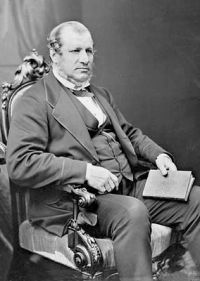 Alexander Tilloch Galt,
Church and State
(1876)
Alexander Tilloch Galt,
Church and State
(1876)