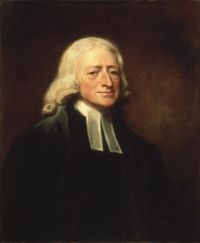
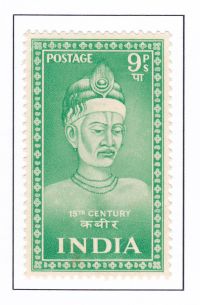
Dissent, the act of opposing established beliefs or authority, has long been a central theme in literature, reflecting humanity's tension between individual thought and collective norms. From John Greenleaf Whittier’s poetic critique of rigid dogma to John Wesley’s philosophical interpretation of dissent as a rational response to moral and spiritual questions, authors have explored its subtleties.
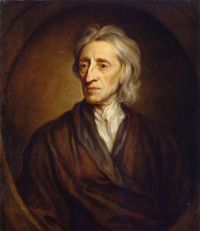
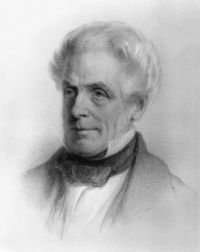
John Locke emphasized the significance of how dissent is expressed, while James Fenimore Cooper deplored its misuse in relation to sacred texts. Meanwhile, John Tyndall underscored dissent’s role in driving progress through debate. These diverse viewpoints reveal dissent not merely as rebellion, but as a complex interplay of reason, faith, and social dynamics, shaping both personal and communal development.
 John Greenleaf Whittier,
Poems of Nature, Poems Subjective and Reminiscent and Religious Poems…
John Greenleaf Whittier,
Poems of Nature, Poems Subjective and Reminiscent and Religious Poems…