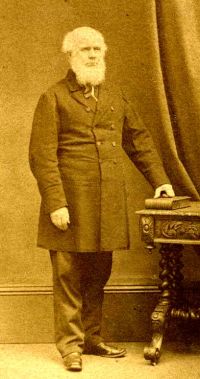
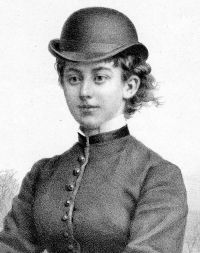
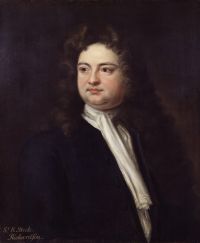
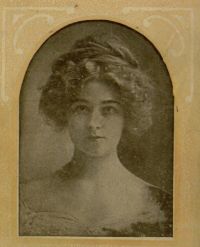
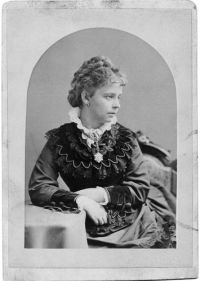
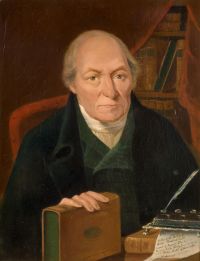
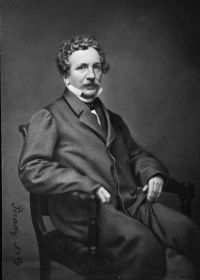
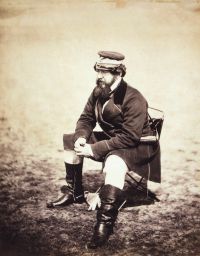
The gentry, historically referring to landowning elites of high social status, especially in pre-industrial England, included non-peer nobles and landed families who exerted influence through estate management and rural patronage. This group, separate from the aristocracy, shaped societal structures through agricultural oversight and local governance. Authors such as Daniel Defoe emphasized their cultural and economic significance, while Maria Edgeworth highlighted their changing roles in rural communities.
Baron Macaulay commended their architectural and aesthetic contributions, and William Howitt stressed their independence and bond with the land. These diverse viewpoints together demonstrate the gentry’s lasting role as intermediaries between tradition and societal transformation, their legacy preserved in both estate halls and communal relationships.
 Daniel Defoe,
Tour through the Eastern Counties of England…
Daniel Defoe,
Tour through the Eastern Counties of England…