Aversion

Definition and stakes

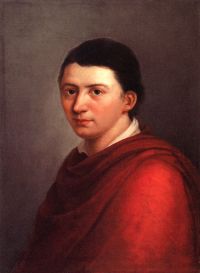
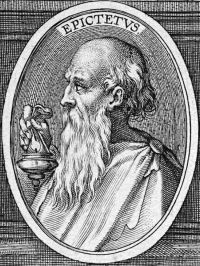
Portrait of Epictetus Epictetus,  Enchiridion (125)

“ However, he who fails to obtain the object of his desire is disappointed, and he who incurs the object of his aversion wretched. If, then, you confine your aversion to those objects only which are contrary to the natural use of your faculties, which you have in your own control, you will never incur anything to which you are averse. But if you are averse to sickness, or death, or poverty, you will be wretched. Remove aversion, then, from all things that are not in our control, and transfer it to things contrary to the nature of what is in our control. ”
Source: http://classics.mit.edu/Epictetus/epicench.html

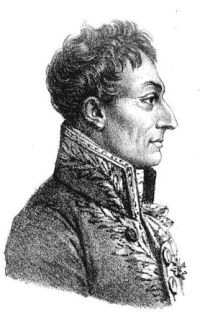
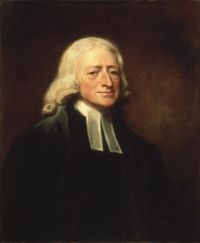
Portrait of John Wesley John Wesley,  The works of the Rev. John Wesley… (1771)

“ And as the relations of magnitude, as they are the objects of our reason, are only the objects of its assent or dissent; so good and evil, as they are objects of our reason, are only the objects of its desire or aversion: and as the assent or dissent, in matters of speculation, whether right or wrong, is solely the act of our reason; so desire or aversion, in human life, whether right or wrong, is equally the act of our reason.
We often say, that our passions deceive us, or persuade us
”
Source: Gutenberg

Get perspective with Kwize: daily news enlightened by great literature