Lasciviousness

Definition and stakes

George G. Findlay,  The Expositor's Bible: The Epistle to the Galatians

“ Uncleanness and lasciviousness are companions of the more specific impurity. The former is the general quality of this class of evils, and includes whatever is contaminating in word or look, in gesture or in dress, in thought or sentiment. "Lasciviousness" is uncleanness open and shameless. The filthy jest, the ogling glance, the debauched and sensual face, these tell their own tale; they speak of a soul that has rolled in corruption till respect for virtue has died out of it. In this direction "the works of the flesh" can go no further. A lascivious human creature is loathsomeness itself. ”
Source: Gutenberg

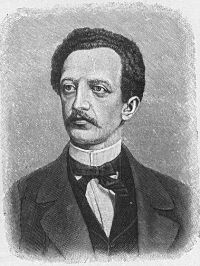
Portrait of John Ruskin John Ruskin,  A Joy For Ever — Lecture I (1857)

“ It is not accident, it is not Heaven-commanded calamity, it is not the original and inevitable evil of man's nature, which fill your streets with lamentation, and your graves with prey. It is only that, when there should have been providence, there has been waste; when there should have been labour, there has been lasciviousness ”
Source: Wikisource

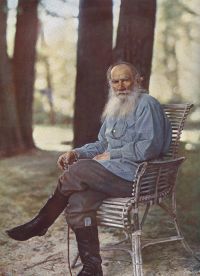
Portrait of Leo Tolstoy Leo Tolstoy,  The Relations of the Sexes (1901)

“ Lasciviousness in man or woman is a state of unrest, of curiosity, of desire for novelty (like drunkenness) , proceeding from intercourse for the pleasure it gives, not with one but with many. A lascivious person can refrain, but a drunkard is a drunkard, and lasciviousness is lasciviousness; and at the first slackening of the restraint he will fall. *⁠*⁠*⁠*⁠*
In our struggle against temptation we are weakened by occupying ourselves beforehand with the idea of victory. We set ourselves a task greater than our powers, a task to fulfill or not to fulfill which is not in our power.
”
Source: Wikisource

Get perspective with Kwize: daily news enlightened by great literature