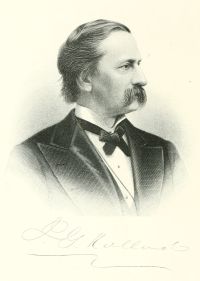
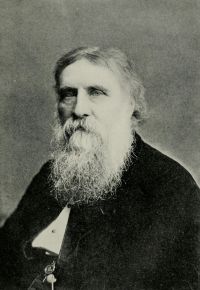
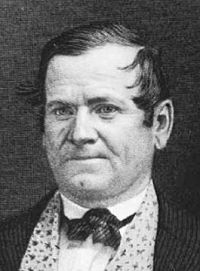
Denial, a psychological defense mechanism identified by Sigmund Freud, involves rejecting uncomfortable truths to avoid emotional distress. Authors like Oscar Wilde associated it with spiritual integrity, arguing that rejecting personal experiences amounts to rejecting one’s soul. Henry Fielding critiqued society’s refusal to acknowledge animal nature, while Bramwell Booth viewed self-restraint as a spiritual battle against inner corruption.
Tertullian emphasized the ethical implications of forced denial, and Frederick Temple examined its conflict with divine character. These viewpoints illustrate denial as both a coping strategy and an obstacle to facing reality, highlighting its dual role in human psychology and literature.
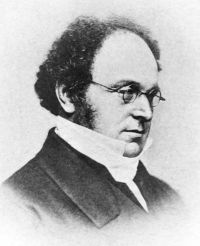 Augustus De Morgan,
A Budget of Paradoxes — Introductory
(1872)
Augustus De Morgan,
A Budget of Paradoxes — Introductory
(1872)