Refusal, in equestrianism, refers to a horse's inability to clear an obstacle, including stopping or moving sideways, and is penalized in competitions. However, beyond horsemanship, the idea extends into human interactions, as seen in Honoré de Balzac’s critique of “negative discretion” as a sign of powerlessness, or Maud C.
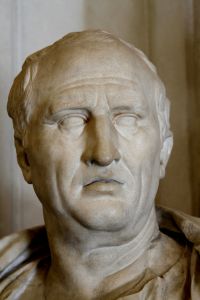
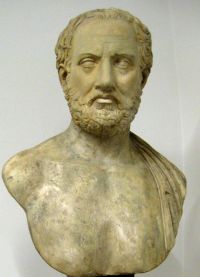
Cooke’s guidance on accepting a gentleman’s decline with composure. From Cicero’s diplomatic declines to Thucydides’ resolute stance, refusal appears as a nuanced act—both a challenge and a limit—shaped by situation, morality, and outcome. Its dual nature, whether in riding or speech, highlights its significance as a crucial moment of decision.
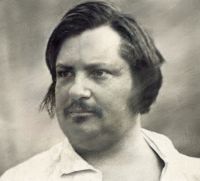 Honoré de Balzac,
The Thirteen
Honoré de Balzac,
The Thirteen