Self-control, the ability to manage emotions, thoughts, and actions in the face of temptation, is a fundamental aspect of executive function and moral philosophy. Grounded in psychological research as a limited yet developable resource, it also represents a classical virtue, harmonizing human impulses with enduring values.
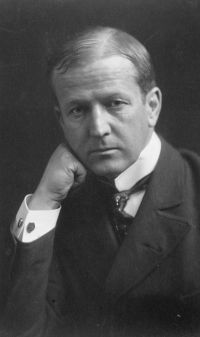
Authors such as William George Jordan described it as a means of achieving mastery over oneself and others, while Tiruvalluvar associated it with wisdom and excellence. Research highlights its connection with desire, satisfaction, and mental detachment, emphasizing its significance in personal growth and social stability. This theme connects scientific exploration with ethical heritage, portraying self-control as both a capability and a moral necessity.