AI-generated from sources
The Invisible Burden, Women's Health and the Legacy of Self-Sacrifice
In Brief
- Society's historical expectation of female self-sacrifice has consistently intertwined with the prevalence of neglected health and chronic illness among women.
- Women often contend with a 'treble burden'—combining paid labor, domestic work, and child-rearing—a crushing workload intensified by economic precarity or existing health issues.
- The sustained suppression of emotional distress and personal reality, often necessitated by societal roles, directly contributes to physical ailments and vague 'female disorders.'
- Understanding the causes of women's ill-health has shifted from blaming individual character flaws to recognizing systemic forces like economic exploitation and lack of autonomy.
Main authors
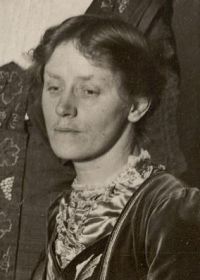

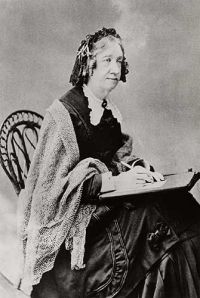
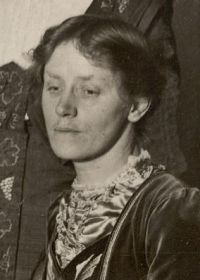
Historically, the identity of womanhood has been deeply entwined with an expectation of profound self-effacement and tireless service to others. This cultural script, often elevated to the status of a virtue, casts women as the designated caregivers, domestic managers, and emotional pillars of their communities [7, 8]. The demands inherent in these roles are relentless, frequently requiring women to shoulder a "treble burden" of wage-earning, domestic labor, and child-rearing simultaneously [5]. This model of femininity presupposes an almost limitless capacity for endurance and giving, framing self-neglect not as a detriment but as a necessary component of fulfilling one's social duty.
This persistent expectation of self-sacrifice is not without a profound, though often unacknowledged, cost. The constant depletion of physical and emotional resources in the service of others frequently occurs at the direct expense of a woman's own health and well-being [4]. The romanticized narrative of female resilience often masks a harsher reality of chronic exhaustion, persistent ailments, and systematically neglected health needs. This dynamic creates a silent and widespread pattern of suffering, where illness becomes an almost predictable outcome of fulfilling the traditional female role, a phenomenon historically classified under the broad and often dismissive term "female disorders" [10].
The Labor of Womanhood
Societal expectations for women have long translated into a formidable and multifaceted workload that permeates every aspect of daily life . Across different historical contexts, commentators consistently identify a core set of duties—housekeeping, child-rearing, and providing emotional support—that fall overwhelmingly to women, often under incredibly taxing circumstances [2]. This can culminate in what Helena M. Swanwick described as a "treble burden," where the obligations of paid work, domestic chores, and child-bearing converge into a crushing weight . Even within households that could afford domestic help, the ultimate responsibility for maintaining order and cleanliness remained with the woman of the house, compelling her to weigh her own physical limits against prevailing standards of domestic propriety .
This pressure is acutely intensified for women grappling with pre-existing health issues or facing economic precarity [1, 3]. For a woman in frail health, the very idea of recovery becomes a cruel paradox when she is simultaneously expected to perform the physically demanding roles of cook, cleaner, and general laborer . The "iron hand of necessity" forces countless women to disregard their own bodily needs, compelling them to work through pain and fatigue simply to ensure their family's survival . This situation fosters a class of what one 19th-century author termed "living martyrs," individuals who sacrifice their vitality for the sake of others, a sacrifice that elicits sympathy but seldom leads to substantive relief .
The ethos of self-sacrifice becomes so deeply ingrained that it is often internalized, creating a powerful psychological impulse for women to give all of themselves to those they love, frequently to their own undoing [6]. This tendency is sometimes depicted as an innate feminine virtue, a natural capacity for enduring hardship, caring for the sick, and toiling with a cheerful disposition . However, some observers, like Charles Kingsley, critically viewed this dynamic as a profound waste of human energy. He argued that without practical knowledge and skills, a woman's devoted labor, however noble in intent, could be inefficient and ultimately self-destructive, damaging her own health and failing to optimally support those she aimed to help . This relentless cycle of exhausting drudgery leaves little room for personal growth, effectively trapping women in a state of perpetual depletion [9].
The Internal Landscape of Illness
The immense external pressures of unceasing labor and emotional suppression inevitably shape a woman's internal world, forging a strong link between her psychological state and her physical condition [12, 13]. A recurring theme in both historical and modern commentary is the idea that emotional distress acts as a direct catalyst for physical disease. Melancholy, despondency, and chronic unhappiness are understood not as passive states but as active agents that can erode vitality and compromise the body's natural defenses . Contemporary research lends statistical weight to this connection, demonstrating significantly higher rates of illness following severe life stressors and suggesting that sustained negative emotions like anger and depression can weaken the immune system [14].
Women's suffering frequently presents as a complex constellation of symptoms that defies straightforward diagnosis, often leading to the application of vague and dismissive labels like "female disorders" or functional nervous disorders [20]. This suffering is undeniably real, yet its cultural perception is often complicated by a tendency to see women as constitutionally fragile and prone to introspection, which in turn is thought to amplify their physical discomfort [11, 17]. James J. Walsh, writing in the early 20th century, posited that the introspective attitudes of his era made women abnormally susceptible to experiencing and dwelling on suffering, especially during significant life changes .
This internal turmoil is frequently concealed behind a stoic facade, an "iron mask" of composure that hides deep-seated pain and suffering from public view [15, 19]. In the 19th century, Catharine Esther Beecher noted that women widely regarded as being in perfect health were often, upon closer inquiry, habitual sufferers of serious ailments unknown to their peers . The act of suppressing one's personal reality—whether it be the emotional pain of an unhappy marriage or the physical toll of overwork—is itself a profound stressor on the body's systems . This chasm between a woman's inner experience and her outward performance creates a breeding ground for both psychological distress and physical illness, a state in which the mind and body are in a constant, undeclared conflict [16, 18].
Blame, System, and the Quest for Agency
Societal responses to women's ill-health have long been fractured, with a prominent historical tendency to place blame on the individual's character. A significant body of thought, especially in earlier medical and moral discourse, linked female ailments to personal failings such as selfishness, idleness, or a deficiency of will [21, 25, 26]. Writers like James J. Walsh and S. Weir Mitchell advanced the idea that many women could find health and happiness simply by shifting their focus from their own troubles to the service of others, thereby abandoning a supposedly "selfish, comfortable, easy existence" [22]. From this perspective, nervous disease was not a consequence of systemic pressure but rather a form of "refined selfishness" or laziness that could be conquered through disciplined self-control and rigorous exertion .
In direct opposition to this view, a competing analysis identifies external, systemic forces as the primary cause of women's widespread ill-health. The confinement imposed by "conventional rules," the lack of access to meaningful vocations, and a general state of dependency are cited as conditions that make robust health and self-control nearly unattainable for many women [23]. Economic exploitation emerges as a particularly powerful determinant; Helena Maria Swanwick argued in 1913 that low wages, the dual burden of housework after a day of paid labor, and the despair of a future without opportunity were direct causes of higher sickness rates among women [27]. This perspective acknowledges that social and economic machinery is often inadequate to support those who, due to finer sensibilities or lesser endurance, break under the strain [28].
This conceptual evolution from individual blame toward systemic critique has laid the groundwork for modern approaches to women's health and autonomy. The contemporary ideal is no longer the sheltered, cloistered woman but one who is educated, free, and self-reliant, possessing the knowledge and agency to determine her own path [24]. This principle is reflected in modern public health policy, which increasingly recognizes that gender equity requires targeted, women-specific programs to dismantle long-standing inequalities [29]. Major crises, like the COVID-19 pandemic, have starkly illuminated these pre-existing disparities, showing how economic, public health, and caregiving emergencies disproportionately harm women and girls, magnifying the historical barriers they have always faced [30].
The historical record demonstrates a clear and persistent link between societal expectations of female self-sacrifice and the prevalence of ill-health among women. From the domestic drudgery that defined the lives of 19th-century women to the contemporary "treble burden" of career, family, and household management, a cultural mandate for relentless giving has defined womanhood . This constant output of physical and emotional labor fostered an internal environment of suppressed distress and chronic stress, which in turn manifested as a wide array of physical and nervous conditions that were often dismissed as inherent female weaknesses . For generations, the debate over this suffering remained polarized, caught between explanations of individual moral failure and critiques of an oppressive social order .
While the impulse to attribute women's health issues to personal shortcomings has not entirely disappeared, a more nuanced understanding of systemic pressures has gained significant traction. The recognition that social determinants—such as economic status, caregiving burdens, and a lack of autonomy—are fundamental to health outcomes represents a vital paradigm shift . Consequently, the path toward genuine health equity for women requires a twofold strategy: the empowerment of individuals through education and freedom, and the simultaneous reform of the economic and social structures that perpetuate their disproportionate burden . The long, quiet history of female suffering serves as a potent reminder that the well-being of women is ultimately inseparable from their attainment of social, economic, and political equality.