AI-generated from sources
The paradox of female delicacy: How 19th-century medical thought created a knowledge vacuum in women's health
In Brief
- The historical concept of female 'natural delicacy' served not as a prompt for research but as a justification for excluding women from medical practice and specialized study.
- Cultural pressures for female modesty created a barrier to physical examination by male doctors, leading many women to endure chronic suffering or death rather than violate their sense of propriety.
- Systemic institutional barriers, including a 'catch-22' logic preventing the establishment of female medical schools, actively perpetuated a male-dominated profession and a profound knowledge vacuum.
- This legacy of ignorance led to the vague labeling of female conditions ('female weakness') and created fertile ground for quackery, illustrating the public health cost of gender exclusion.
Main authors
A profound paradox resides at the heart of medical history: a pervasive, centuries-long preoccupation with female frailty did not foster a deeper, more specialized understanding of women's health. Instead, a societal and medical consensus that women were inherently delicate beings, whose physical lives were governed by their reproductive capacity, became the justification for their systematic exclusion from the very institutions that generated medical knowledge [1, 2]. This perception of women's bodies as fundamentally different and more fragile served not as a prompt for focused inquiry, but as a rationale for inaction and exclusion, creating significant barriers to care and research.
The concept of "natural delicacy" was as much a social expectation as it was a medical diagnosis [3, 4]. It dictated that women should shrink from the kind of physical examination by male doctors that was becoming standard medical practice, creating a critical barrier to accurate diagnosis and effective treatment [5]. This culturally enforced modesty, combined with the professional barring of women from medical education and practice, generated a profound and lasting information vacuum. The result was a system in which half the population was treated based on assumption and tradition rather than evidence, a void where specific conditions were vaguely labeled "female weakness" and often fell prey to the claims of quackery [6, 7]. This dynamic raises a crucial question: how did deeply ingrained societal norms surrounding female modesty and fragility actively construct a systemic ignorance within the field of medicine?
The Diagnosis of Delicacy: Constructing Female Illness
Throughout much of the 19th and early 20th centuries, the female body was primarily understood through the lens of its reproductive function . Medical and social discourse centered on the belief that a woman's entire well-being was contingent upon the proper performance of her "female economy," particularly menstruation . A failure in these functions was seen as the root cause of a host of ailments, from barrenness to hysteria, reinforcing the idea that women were constitutionally weaker and more prone to illness [8]. This perspective framed female health not as a state to be maintained through general knowledge and care, but as a precarious condition requiring constant management of its unique, inherent liabilities [9].
This biological essentialism was intrinsically linked to a moral and social conception of female delicacy. Modesty was a paramount virtue, but in the clinical setting, it became a significant impediment to health . Many women were conditioned to feel such profound repugnance at the prospect of a physical examination by a male physician that they would rather endure chronic suffering, or even death, than violate this sense of propriety [10, 11]. The consequences of this dynamic were devastating, with physicians noting cases where women died from treatable conditions like strangulated hernias simply because the nature of their illness was never disclosed or discovered due to this barrier of modesty [12]. The examination itself was described by some as a "disgusting insult" that caused a deterioration of a woman's purity, framing necessary medical procedures as a form of moral violation .
The ideology of frailty became a self-reinforcing cycle. Social conditions, such as a "confined life," were observed to predispose women to melancholy and poor health, which was then interpreted as proof of their innate weakness rather than as a consequence of their restricted circumstances . Similarly, some medical practitioners attributed so-called "female diseases" to the "luxurious and indolent habits" of women, blaming lifestyle choices for conditions that lacked rigorous scientific study [13]. This perspective effectively shifted responsibility for ill-health onto women themselves, faulting their behavior or their very nature while the medical establishment lacked the tools, and often the will, to investigate the underlying pathology of their conditions [14].
Barring the Gates: The Systemic Exclusion of Women from Medicine
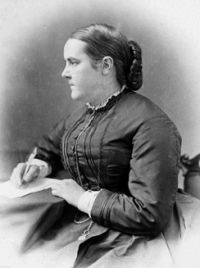
The creation of a medical knowledge vacuum was not a passive oversight but the result of an active and systemic exclusion of women from the profession. Aspiring female physicians faced a formidable architecture of institutional barriers designed to prevent their entry. As the writer and activist Sophia Jex-Blake pointed out, opponents of women in medicine employed a circular and impossible logic: women could not be permitted to study medicine until a dedicated female medical school was founded, yet such a school could not be justified until women had already proven they could succeed as medical students [15]. This catch-22 effectively locked women out of the established pathways to a legitimate medical education.
Beneath the official justifications lay deep-seated professional and social anxieties. Male physicians expressed a candid "dread of successful competition," even while publicly asserting that nature had clearly forbidden women from practicing medicine [16]. Established institutions, such as universities, cited vague "legal doubts" about their authority to grant degrees to women, using bureaucratic procedure as a shield for exclusionary policies [17]. The very idea of a woman holding a position of intellectual authority over men, such as a professorship at a major university, was considered a source of potential "dismay" [18]. The few women who managed to overcome these hurdles did so at a tremendous personal and financial cost, a testament to the system's pervasive hostility toward their ambitions [19].
The hypocrisy of this exclusionary system was stark. Women were legally penalized for practicing medicine without the proper qualifications, yet they were simultaneously denied access to the very schools where those qualifications could be earned [20]. Debates over co-education in clinical settings further exposed the double standards at play. While it was considered normal for male students to receive instruction in female hospital wards, the suggestion that female students be granted reciprocal access to male wards was met with significant resistance [21]. This consistent pattern of obstruction ensured that the medical profession remained a male-dominated domain, shaping not only who could practice medicine but what kind of knowledge was considered worth pursuing.
The Price of Ignorance: A Legacy of Misdiagnosis and Mistrust
The exclusion of women from medical training and practice had a direct and damaging impact on the quality of healthcare they received. It created a knowledge vacuum regarding female-specific conditions, which were often poorly understood and vaguely defined under umbrella terms like "female weakness" . This lack of established medical expertise created a fertile ground for charlatans and the purveyors of patent medicines, who targeted a desperate and underserved female population with promises of cures for ailments the mainstream medical establishment often ignored or misunderstood [22]. The result was a healthcare landscape where women's health was frequently addressed with ignorance and opportunism rather than scientific rigor.
This systemic ignorance had lethal consequences. As advocates for female physicians repeatedly pointed out, countless women suffered ruined health because their socially conditioned reluctance to be examined by men prevented timely diagnosis and treatment . This created a profound disconnect between patient needs and medical services. While the male-dominated medical establishment often claimed there was no demand for female doctors [23], the reality on the ground proved otherwise. The fact that women readily employed female practitioners, even those with acknowledged inferior training, was powerful evidence of this unmet need [24].
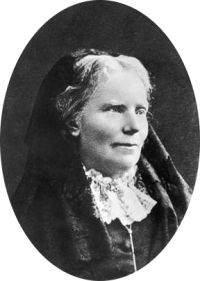
Pioneers like Elizabeth Blackwell recognized the danger this situation posed. She warned that failing to provide proper, formal education for women would inevitably lead to the rise of an "ignorant class of female physicians" [25]. Her critique was not aimed at the women attempting to practice, but at the system that denied them legitimate training, thereby forcing them and their patients into a precarious position. The need for formally educated women in medicine was not merely a matter of professional equity; it was a public health imperative to fill a dangerous void in knowledge and care, and to build a bridge of trust with a patient population that the existing system had failed [26].
The historical gap in medical knowledge about women's health was not an accident of history but a manufactured consequence of a society that prized female delicacy above female well-being. The very ideology that defined women as fragile and in need of protection was used to justify the institutional barriers that kept them from the medical profession, both as practitioners and as subjects of serious study . This exclusion created a devastating cycle of ignorance, misdiagnosis, and suffering, demonstrating how societal norms can actively impede scientific progress and inflict tangible harm . The narrative of the frail female patient is inseparable from the reality of the absent female physician and the missing data that resulted from her exclusion.
The struggle of early medical women like Elizabeth Blackwell and Sophia Jex-Blake was therefore about more than professional opportunity; it was a fight for the health of all women [27]. By breaking into the profession, they began the monumental task of filling the knowledge vacuum created by centuries of neglect [28, 29]. Their success in opening doors for future generations initiated a long, slow process of transforming medicine into a field that could begin to adequately understand and care for the entire human population [30]. The legacy of this historical void underscores the critical importance of diversity and inclusion in science, reminding us that the boundaries of knowledge are often defined by who is permitted to ask the questions.