AI-generated from sources
The Timetable of the Stomach, Social Norms Work and the Quest for Optimal Eating
In Brief
- Human eating schedules are primarily governed by societal norms and habits, often overriding biological hunger signals.
- The three-meal-a-day structure is largely a social and economic construct, not a biological imperative.
- Modern urban and industrial life introduces pressures that lead to hurried, unhealthy eating patterns, prioritizing work schedules over digestive health.
- Dietary reform movements advocate for personalized nutrition, fewer meals, and consciously listening to the body's natural hunger signals, exemplified by concepts like the 'no breakfast plan'.
Main authors


The daily rhythm of meals is a fundamental component of human life, yet the question of how often and when one should eat has been a subject of persistent debate. Far from being a simple response to biological hunger, our eating schedules are profoundly shaped by societal expectations and ingrained habits [3]. The decision to eat is frequently dictated not by the body's internal signals but by the clock on the wall, a cultural inheritance that treats mealtimes as fixed, almost sacred, appointments [1]. This has led to a widespread practice of eating out of social obligation or deeply rooted custom rather than genuine physical need, a pattern observable in behaviors like partaking in a midday meal simply because it is the conventional thing to do [2, 6].
This long-established order, governed by tradition, has been increasingly challenged by two powerful and often conflicting forces. On one hand, the pace and structure of modern industrial and professional life have fundamentally altered eating patterns, often to the detriment of health [9, 13]. The demands of business and urban living have forced compromises, leading to hurried consumption and schedules that disregard digestive health [11]. On the other hand, a parallel movement has emerged, championing individual physiological well-being and advocating for a conscious re-evaluation of when and why we eat [23]. This has given rise to various reformist philosophies that question the necessity of traditional meal frequencies, sparking a complex negotiation between custom, convenience, and personal health [21].
The Weight of Custom, How Society Dictates the Meal
The three-meal-a-day structure has become so entrenched in many cultures that it is often perceived as a biological imperative rather than a social construction . Thinkers like Bernarr Macfadden contrast this human behavior with that of wild animals, which eat according to natural inclination, whereas people often eat simply because it is a designated mealtime, driven by a false belief that constant eating is necessary for strength . This conditioning can lead individuals to consume food without being truly hungry, participating in meals like luncheon more out of a sense of social propriety than physical demand . The force of habit effectively overrides the body's own signals, establishing a rhythm that is more economic and social than physiological .
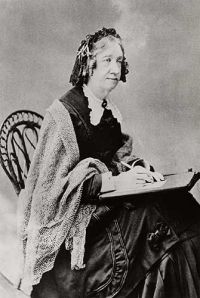
Historical perspectives further challenge the presumed necessity of frequent meals. Felix Leopold Oswald, for instance, pointed to ancient societies whose powerful armies thrived on a single daily meal, suggesting that modern anxieties about insufficient food intake are largely unfounded [4]. This historical view frames the modern diet as potentially excessive and indulgent. Catharine Esther Beecher, writing in the mid-19th century, warned against the habit of eating merely to gratify the palate, a temptation amplified by the variety of foods available in modern society [5, 8]. She argued that such practices, which separate eating from the sensation of hunger, are constitutionally damaging and unsafe .
This departure from natural eating patterns has been framed by some as a profound source of human decline. Oswald went so far as to describe unnatural dietary habits as mankind's oldest and most ruinous vice, the literal cause of our fall from a state of grace [7]. The regularity of mealtimes, while a product of economic convenience, can impose a significant burden on the digestive system by forcing it to work when it is not ready . This creates a fundamental conflict between the collective, standardized schedule required for social and economic life and the variable, individual needs of the human body, which may not align with the ringing of a dinner bell .
The Pressures of Progress, Work Schedules and Degraded Digestion
The advent of modern urban and industrial life has introduced a new set of pressures that have profoundly reshaped eating habits. The relentless pace of business forces many to consume their meals in a hurry, with little time for proper mastication or digestion . This "hurry habit" has given rise to institutions like the quick-lunch counter, which institutionalizes food-bolting and prioritizes catching a train over the body's metabolic needs . What may begin as a conscious decision to rush a meal eventually solidifies into a detrimental, unconscious habit that undermines digestive health .
Modern work schedules create inherent conflicts with traditional, balanced eating patterns. The shift toward a late dinner, common in professional circles, presents a hygienic quandary: a long gap between breakfast and dinner can lead to overconsumption in the evening, while a substantial lunch can render a large dinner both unnecessary and unhealthy [10]. This issue has been noted as particularly harmful for those in sedentary occupations, like the dressmakers observed by Harriet Beecher Stowe, who were often afforded insufficient time for meals, resulting in widespread health problems [14]. For industrial workers, the physically exhausting and mentally taxing conditions of the factory can actively destroy a healthy appetite, turning what should be a nourishing act into a joyless necessity [15].
The subordination of mealtimes to business and social demands is seen by many health advocates as a perilous trend. Upton Sinclair quotes physiologists who argue that the meal hour should be considered sacred and protected from the intrusions of work or convenience . The common practice among professionals of skipping breakfast, for example, is highlighted by James J. Walsh as particularly damaging. It can create a gap of nearly twenty-four hours between hearty, warm meals, forcing individuals to perform their morning tasks on the depleting energy reserves from the previous night's dinner [12]. Concurrently, the demands of social life, including late-night gatherings and elaborate meals, disrupt natural appetites and perpetuate a cycle of unhealthy and labor-intensive eating habits [17].
In response to these challenges, some critics proposed pragmatic reforms rather than a complete return to nature. One suggestion was to re-envision the evening meal not as a heavy, late dinner but as a lighter supper [16]. This would preserve the meal as a crucial time for family and social reunion while mitigating the digestive burden imposed by consuming a large quantity of food late at night. Such a compromise acknowledges the realities of the modern workday but attempts to realign eating habits toward a healthier, more sustainable model .
Reclaiming the Body, Reform Movements and Personalized Nutrition
In response to both rigid social customs and the disruptions of modern life, a distinct movement emerged focused on the individual's power to reform their eating habits for greater well-being. This approach often requires a significant exercise of willpower to break established, and often detrimental, patterns [19]. As R. H. Chittenden noted, transitioning to a new meal schedule—such as reducing from three to two meals a day—may cause initial discomfort but can ultimately become a new, perfectly comfortable norm [18]. This philosophy advocates for an intentional and introspective approach, urging individuals to consciously manage their dietary habits rather than passively accept them .
A central tenet of this reformist thinking was the argument for reducing the sheer number of meals. Some authors contended that two meals a day are physiologically superior to three, a principle they felt was being vindicated by the forced rationing of wartime [24]. Proponents such as Eugene Christian cited the experiences of those who adopted a "no breakfast plan" or even a one-meal-a-day regimen, reporting significant gains in vitality, strength, and mental acuity . Rasmus Larssen Alsaker, who personally experimented with one and two-meal-a-day schedules, argued that such plans not only provided adequate nourishment but also freed up considerable time otherwise spent on food preparation and consumption [28]. The most zealous reformers even suggested that after the age of fifty, a single daily meal could increase both life's duration and its efficiency [27].
The "no breakfast" plan, championed by Edward Hooker Dewey, stands as a prime example of this radical rethinking of mealtime. Dewey argued that the feeling of hunger in the morning is not a natural signal for food but an artificial desire—a "disease under culture" [26]. He proposed that the body's true need for sustenance only develops after several hours of morning work, making an early meal unnecessary and even counterproductive [29]. From a different cultural perspective, Mohandas K. Gandhi came to a similar conclusion through his own experiences, advising that adults whose bodies have finished growing have no need for more than two meals a day and should work for several hours before their first [22].
However, this push toward fewer meals was not without its nuances and caveats. The key, as Bernarr Macfadden emphasized, is individual appetite and lifestyle. A person engaged in hard physical labor might genuinely need and thrive on three meals a day, while a sedentary worker would likely benefit from two [25]. There was also concern that reducing meal frequency could make it difficult to consume an adequate amount of food, potentially leading to under-nourishment [20]. The ultimate goal was to find a personal equilibrium—avoiding the overtaxing of digestive organs from excessive eating while ensuring sufficient nutrition for the body's needs [30]. This required a healthy habit of introspection to discover the pattern best suited to one's own constitution and daily demands .
The historical discourse surrounding meal frequency reveals a profound shift in authority over the human diet. It charts a course from the unyielding dictates of social custom, where the clock governed consumption , through the disruptive pressures of industrialization, which subordinated digestion to the demands of labor . In response, a powerful counter-narrative emerged, advocating for individual agency and physiological optimization, urging people to listen to their own bodies rather than to convention . This evolution demonstrates that our eating habits are not a simple biological matter but a complex negotiation between communal ritual, economic necessity, and the personal quest for vitality .
While the specific debates of the 19th and early 20th centuries may seem dated, the underlying tension they addressed remains strikingly relevant. The fundamental challenge of reconciling external demands—whether from work, family, or social life—with the internal, biological needs of the body persists in new forms . The quest for an optimal eating schedule is ultimately a reflection of a larger, ongoing effort to live more consciously in a world that constantly vies for our time and energy. It is a testament to the enduring human desire to find a sustainable and healthful rhythm within the often-chaotic cadence of modern life .