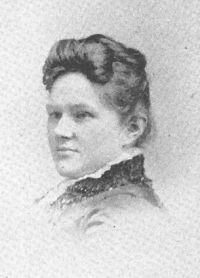
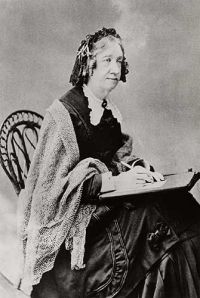
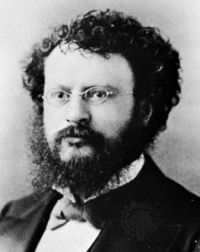
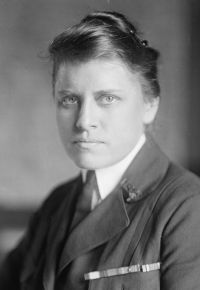
A meal is a structured occasion for consuming food at specific times, varying by culture, size, and significance. From breakfast’s symbolic role in daily routines to the communal weight of dinner, meals transcend mere nourishment, embodying social, cultural, and physiological dimensions. Authors like Guy Wetmore Carryl celebrated meals as rhythmic rituals, while Charlotte Marie Mason linked regular intervals to health, emphasizing digestion’s role in sustenance.
Christine Terhune Herrick highlighted the leisurely, communal aspect of family meals, contrasting with John Harvey Kellogg’s focus on timing and simplicity for well-being. These perspectives reveal meals as both biological necessities and cultural anchors, shaping human interaction and identity.
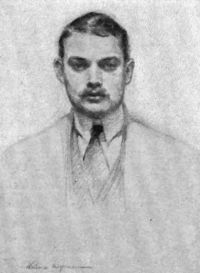 Guy Wetmore Carryl,
Mother Goose for Grown-ups
Guy Wetmore Carryl,
Mother Goose for Grown-ups