A friar, typically a member of a mendicant religious order, has long been depicted in literature as a figure of spiritual devotion, wandering, or social involvement. Authors such as Walter Scott portray him as a wandering benefactor, while Thomas Love Peacock imbues him with folkloric wit in Maid Marian.
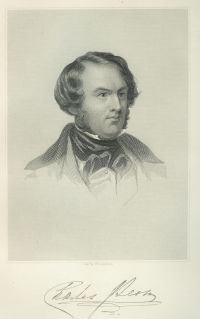
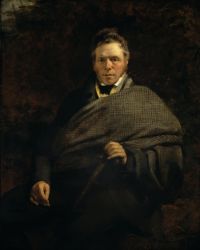
James Hogg and Charles James Lever set friars in rural or dramatic contexts, merging piety with human vulnerability. These diverse depictions highlight the friar’s role as both a spiritual emblem and a flexible narrative tool, reflecting the intricacies of religious life and human nature across centuries.
 Walter Scott,
Ivanhoe
(1820)
Walter Scott,
Ivanhoe
(1820)