Dominicans

Definition and stakes

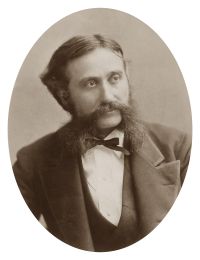
Portrait of Émile Zola Émile Zola,  The Three Cities Trilogy, Complete

“ And thus it was that the Dominicans filled the world, upholding the doctrines of Rome in the most famous pulpits of every nation, and contending almost everywhere against the free sprit of the Universities, like the vigilant guardians of dogma that they were, the unwearying artisans of the fortunes of the popes, the most powerful amongst all the artistic, scientific, and literary workers who raised the huge edifice of Catholicism such as it exists to-day. ”
Source: Gutenberg

James J. Walsh,  The Thirteenth, Greatest of Centuries

“ At the beginning of the Thirteenth Century the mendicant orders were organized, and their important duties were preaching and teaching. The Dominicans were of course the Order of Preachers, and we have traditions of their sway over the minds of the people of the time which make it very clear that their power was equal to that exerted in any other department of human expression. There are traditions particularly of the oratory of the Dominicans among the German races, which serve to show how even a phlegmatic people can be stirred to the very depths of their being by the eloquent spoken word. ”
Source: Gutenberg

Thomas Gage,  The English-American, His Travail by Sea and Land…

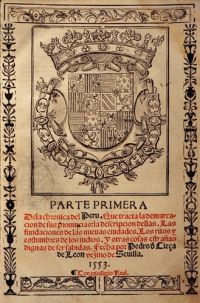
“ The Provinces of Peru being more distant from Spain, and hard to come to by sea, have no Missions sent unto them. There are of the most Romish religious orders, yet the chief are Dominicans; and they all live above their vow of poverty, abounding in wealth, riot, liberty and pleasures. In the Kingdome of Nuevo reino de Granada, and Cartagena, Santa fee, Barinas, Popayan, and the government of St. Martha, are Dominicans, Jesuites, Franciscans, Carmelites, Augustines and Mercenarians, whereof the Dominicans, Jesuites and Franciscans till this day admit of Missions from Spain. ”
Source: Gutenberg

Get perspective with Kwize: daily news enlightened by great literature