Impulse, in classical mechanics, refers to the change in momentum caused by a force acting over a period of time, expressed by the equation $ J = \Delta p $. Outside of physics, this idea finds resonance in human behavior, where thinkers such as William James describe it as an inherent drive that underlies actions, while Bertrand Russell and Joel Tiffany examine its relationship with longing, self-control, and ethical justification.
Mervin Curl differentiates impulse from desire, highlighting its function as a fundamental force that influences behavior. These viewpoints together portray impulse as both a physical occurrence and a psychological trigger, connecting mechanics with the intricacies of human will.
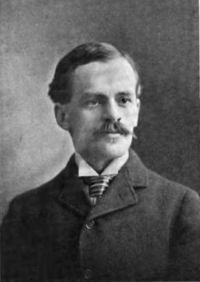 Alfred H. Lloyd,
The will to doubt
Alfred H. Lloyd,
The will to doubt