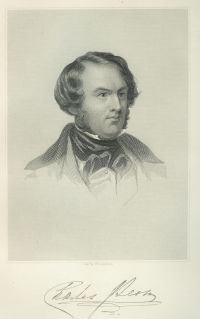
The concept of a "prisoner" includes both physical restraint and metaphorical confinement, highlighting humanity's long-standing fascination with limitation, liberty, and the resilience of the human spirit. Authors have consistently examined this theme from diverse perspectives: Charles Dickens illustrates the psychological anguish of detention, as seen in his portrayal of a detainee pacing a cell, tormented by the distant sounds of the city; Arthur Griffiths emphasizes the resourcefulness of those held captive, comparing their attempts to flee to stories of overcoming hardship.
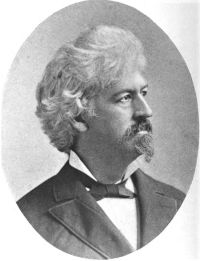
Meanwhile, Manly Palmer Hall views incarceration as a transformative experience, in which freedom is achieved not through physical release but through internal enlightenment. These viewpoints, drawn from literature and philosophy, emphasize the prisoner’s dual nature—as a symbol of subjugation and a reflection of endurance, deeply connected to ideas of justice, liberation, and the quest for purpose.
 Manly Palmer Hall,
The Lost Keys of Freemasonry — Introduction
(1923)
Manly Palmer Hall,
The Lost Keys of Freemasonry — Introduction
(1923)