A sentence, in linguistics, is a textual unit that conveys a complete thought through grammatically connected words, defined by structural and functional criteria. While traditional grammar focuses on subject-predicate relationships, functional linguistics emphasizes boundaries marked by punctuation.
Scholars have examined its varied roles: Treves associated it with legal judgment, Emerson viewed it as an act of creativity, and Smith investigated its function in self-reflection. These viewpoints illustrate how sentences connect syntax with meaning, acting as both structural supports and carriers of human expression. The interaction between form and function highlights their dual significance in communication and thought.
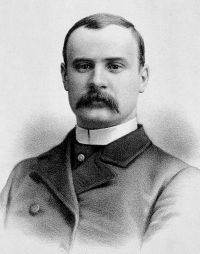 Frederick Treves,
The Elephant Man and other reminiscences
(1923)