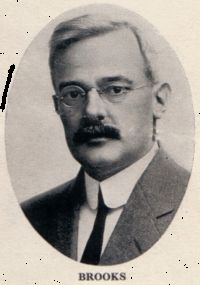
A paragraph, a self-contained unit of discourse, serves as a foundational element in organizing prose around specific ideas. Authors like Samuel Taylor Coleridge emphasized its role in fostering reflective engagement, urging readers to analyze texts "section by section." Stratton D. Brooks explored its structural nuances, cautioning against overly brief sections that risk sacrificing clarity for emphasis, while Edwin Gordon Lawrence highlighted how a single masterfully crafted sentence could rival the informational density of multiple sections.
Orson B. Felt addressed its legal and procedural significance, noting the implications of striking out entire sections in formal contexts. These varied perspectives underscore the section’s dual function as both a rhetorical tool and a structural anchor, bridging the gap between thought and expression across disciplines.
 Samuel Taylor Coleridge,
The Literary Remains of Samuel Taylor Coleridge…
Samuel Taylor Coleridge,
The Literary Remains of Samuel Taylor Coleridge…