Summary

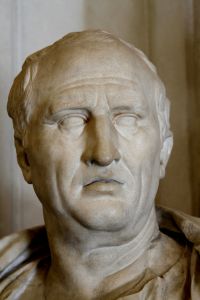
Portrait of Marcus Tullius Cicero Marcus Tullius Cicero For Aulus Cluentius Habitus — 66 BC

Supposing there are many who have taken bribes to condemn an innocent man, will you not punish all of them, but will you pick as you choose, and select a few out of the many to brand with ignominy? Shall the senate then, while you see and know it to be the case, have a senator—shall the Roman people have a judge—shall the republic have a citizen, unmarked by any ignominy, who, to cause the ruin of an innocent man, has sold his good faith and religion for a bribe?
Source: Wikisource

Portrait of Marcus Tullius Cicero Marcus Tullius Cicero For Aulus Cluentius Habitus — 66 BC

In truth, we shall lose not only the authority, but even the name of judges, unless we judge from the facts which appear in the actual trials, and if we bring into court with us minds already made up on the subject at home. In the second place, I beg of you, if you have already adopted any opinion in your minds, that if reason shall eradicate it,—if my speech shall shake it,—if, in short, truth shall wrest it from you, you will not resist, but will dismiss it from your minds, if not willingly, at all events, impartially.
Source: Wikisource

Portrait of Marcus Tullius Cicero Marcus Tullius Cicero For Aulus Cluentius Habitus — 66 BC

For this is not the only cause that I have to plead; my labour is at the service of every one who can be content with my ability as their advocate. I do not wish any one of those who are present to think, if I remain silent, that I approve of what has been said by Attius respecting the law. Wherefore, O Cluentius, I am complying with your wishes in this your cause; and I do not read any law in this court, nor do I allege any law in your favour. But I will not omit those things which I think are expected from me.
Source: Wikisource

Get perspective with Kwize: daily news enlightened by great literature