“ The Duke of Reichstadt! And the meadow's France! The Emperor. [To the Petitioners.] Begone! [All go.] What's this? The Duke. It seems if I were only A mountain shepherd or a forester, With nothing to attract your notice, Sire, Save a cock's feather in my huntsman's hat, You would have drawn me to your melting heart. The Emperor. But Franz—! The Duke. Ah, now I know why all your subjects, All those who are unhappy, call themselves Your sons as much as we; but is it just, Sire, is it just, that I, when I'm unhappy, Have less of kinship than the least of these? ”
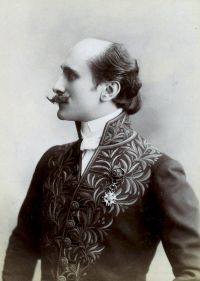
Edmond Rostand
Summary
Edmond Rostand’s L’Aiglon, a six-act drama composed in 1900, portrays the tragic life of Napoleon II, the son of Emperor Napoleon I and Marie Louise, known as the “Eaglet” (l’aiglon). Premiered in 1900 by Sarah Bernhardt, the play examines themes of identity, imperial legacy, and personal freedom through the challenges faced by the Duke of Reichstadt, who is caught between his Napoleonic background and his longing for independence.
Structured around symbolic acts titled “The Wings…” and set against historical settings, Rostand’s work merges historical storytelling with poetic reflection, concluding with the young prince’s resigned acceptance of destiny.
Quotes from L'Aiglon (Edmond Rostand)
“ The Archduchess. Farewell; you've pained me deeply, Franz. [She goes.] The Duke. Ah, bah! Into our friendship I let fall a drop, And friendship turns to troubled love. I'll wait. [He sees Theresa.] Why! What is this? How comes it you are here? So you're not hastening toward the skies of Parma? And all this grass? What are you? Theresa. "Little Brooklet." The Duke. Ah, yes, I know. An exile on his rock, My father had a brooklet for his friend To drown the gaoler's voice, and that is why At Schönbrunn, which is my Saint Helena, My soul must not be left deprived of comfort. ”
“ Gentz. [Who has approached the Duke.] A sweetmeat? The Duke. [Taking one and tasting it.] Perfect. A flavor of verbena and of pear, And something else—wait—yes— Gentz. It's not worth while— The Duke. What's not worth while? Gentz. To feign an interest. I'm not so blind as Metternich. [He offers him another sweetmeat.] A chocolate? The Duke. What do you see? Gentz. I see a youth who suffers, Rather than live a favored prince's life. Your soul is still alive, but here at court They'll lull it fast asleep with love and music. ”
