Summary

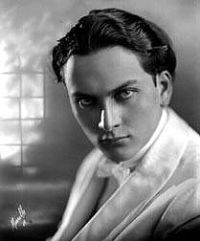
Portrait of Manly Palmer Hall Manly Palmer Hall The Lost Keys of Freemasonry — Introduction (1923)

Man is born with eyes, yet only after long years of sorrow does he learn to see clearly and in harmony with the Plan. He is born with senses, but only after long experience and fruitless strivings does he bring these senses to the temple and lays them as offerings upon the altar of the great Father, who alone does all things well and with understanding. Man is, in truth, born in the sin of ignorance, but with a capacity for understanding. He has a mind capable of wisdom, a heart capable of feeling, and a hand strong for the great work in life - truing the rough ashlar into the perfect stone.
Source: Wikisource

Portrait of Manly Palmer Hall Manly Palmer Hall The Lost Keys of Freemasonry — Introduction (1923)

Ignorance fears all things, falling, terror-stricken before the passing wind. Superstition stands as the monument to ignorance, and before it kneel all who realize their own weakness; who see in all things the strength they do not possess; who give to sticks and stones the power to bruise them; who change the beauties of Nature into the dwelling place of ghouls and ogres. Wisdom fears no thing, but still bows humbly to its own Source. While superstition hates all things, wisdom, with its deeper understanding, loves all things
Source: Wikisource

Portrait of Manly Palmer Hall Manly Palmer Hall The Lost Keys of Freemasonry — Introduction (1923)

Truth leads, and ignorance follows in his train. Spirit blazes the trail, and matter follows behind. In the world today ideals live but a moment in their purity, before the gathering hosts of darkness snuff out the gleaming spark. The Mystery School, however, remains unmoved. It does not bring its light to man; man must bring his light to it. Ideals, coming into the world, become idols within a few short hours, but man, entering the gates of the sanctuary, changes the idol back to an ideal.
Source: Wikisource

Get perspective with Kwize: daily news enlightened by great literature