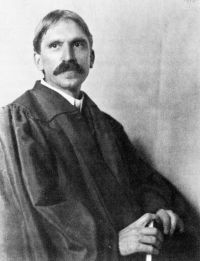
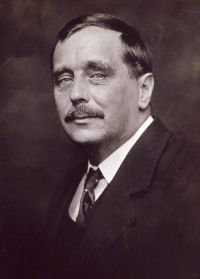
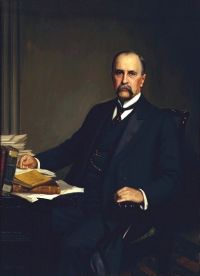
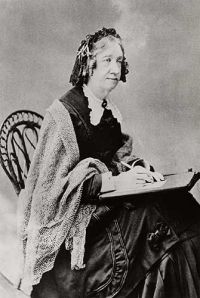
Routine, defined as a structured sequence of habitual actions, has been examined by thinkers and writers as a cornerstone of human behavior and societal organization. Authors such as James Russell Lowell emphasized its stimulating effects on the mind, while Herbert Spencer contrasted its measured rhythm with the unpredictability of primitive life.
John Dewey connected routine to psychological habit, highlighting its role in shaping perception and response. Eileen Power stressed its importance in communal life, and Mary F. Porter demonstrated how routine frees mental energy through subconscious automation. These viewpoints collectively reveal routine as both a practical framework and a subject of reflection on human adaptability and the balance between repetition and innovation.
 James Russell Lowell,
Among My Books. First Series
James Russell Lowell,
Among My Books. First Series