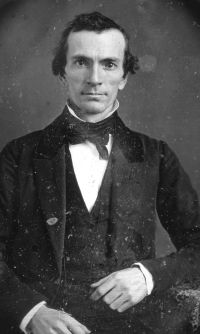
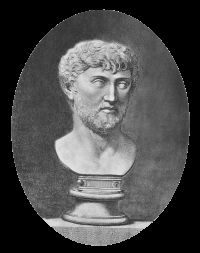
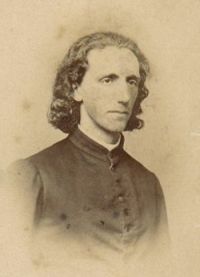
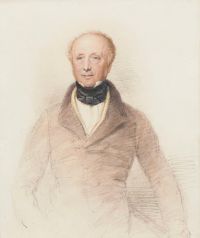
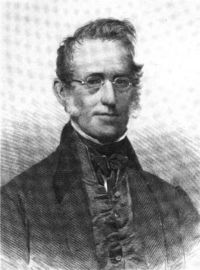
A claim denotes a statement or assertion seeking recognition, validation, or action. From Cicero’s rhetorical appeals to James’s pragmatist emphasis on duty, authors have examined its moral, epistemic, and practical aspects. Wright highlights evidence as a basis for belief, while ʻAbdu'l-Bahá criticizes the overlooking of intentions behind assertions.
Murray links truth to the outcomes of life, and Elmslie portrays claims as active demands requiring a response. These viewpoints reveal a conflict between personal conviction and external evaluation, demonstrating how claims connect belief with reality across philosophical, legal, and ethical contexts.
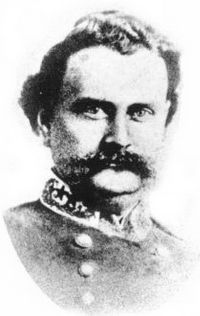 Marcus J. Wright,
General Scott
Marcus J. Wright,
General Scott