A soliloquy is a dramatic technique in which a character expresses their inner thoughts, usually while alone on stage, exposing emotions, motivations, or conflicts that cannot be conveyed through regular dialogue. This reflective monologue has played a crucial role in literature, from Shakespeare’s Hamlet—where deep existential uncertainties are exposed—to Carolyn Wells’ examination of its fragmented, contemplative tone.
George Santayana, in Soliloquies in England, viewed it as a way to examine one’s intellectual and spiritual convictions, while Johann Georg Zimmermann associated it with the emotional strain of being alone. Across different genres and time periods, soliloquy connects personal struggles with broader, universal themes, providing audiences with insight into the intricate depths of the human mind.
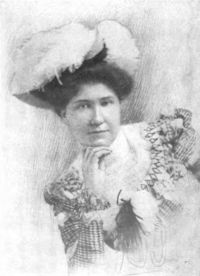 Carolyn Wells,
The Curved Blades
Carolyn Wells,
The Curved Blades