“ From the pity of it—the want, the misery, And with strong yearnings beat, and rebellions wild, Seeing death written, and pain, in the face of a child;— And yet art Thou unmoved! Ah, Lord, if Thou sawest surely!—and yet Thou dost see; And if Thou knewest indeed!—and yet all things are clear to Thee. For, Lord, of a truth Thy great ones, Who have not their wealth of their own desert, Live ever equal lives and sure, And are never vexed nor suffer hurt, But through long untroubled years endure Until they join Thee, and are in bliss ”
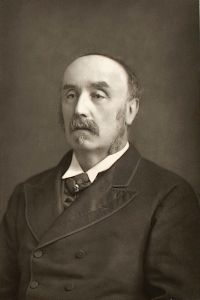
Lewis Morris
Summary
"Songs Unsung" by Lewis Morris is a poetic meditation on human suffering, divine justice, and the tension between earthly frailty and celestial ideals. The work explores themes of injustice, longing, and compassion, often invoking a transcendent "Eternal Will" to frame human struggles against destiny.
Central figures—a conflicted prince and a youthful maid—embody the clash between arrogance and humility, while vivid imagery of gloom, springtide, and "unchanging song" underscores a search for meaning in hardship. The collection ultimately frames existence as a submission to an inscrutable divine order, where beauty and pain coexist in an unbroken hymn of fate.
Quotes from Songs Unsung (Lewis Morris)
“ And leave these tuneless strains of wrong For the immortal ceaseless song; And change this vagrant life of earth For the unchanged celestial birth; And see, within those opened skies, A vision of thy mother's eyes; And hear those old strains, faint and dim, Grown fine, within the eternal hymn? Nay, whatsoe'er our thought may deem, Not that is better which may seem; 'Twere better that thou camest to be, If Fate so willed, in misery. What shall be, shall be—that is all; To one great Will we stand and fall. "The Scheme hath need"—we ask not why, And in this faith we live and die. ”
“ I know that Thou art good and mild, Though sickness take and break the helpless child; 'Twas Thou, none else, that gav'st the mother's love, And even her anguish came from Thee above. I am content to be that which Thou wilt: Tho' humble be my pathway and obscure, Yet from all stain of guilt Keep Thou me pure. Or if Thy evil still awhile must find Its seat within my mind, Be it as Thou wilt, I am not afraid. And for the world Thy hand has made, Thy beautiful world, so wondrous fair: Thy mysteries of dawn, Thy unclouded days; Thy mountains, soaring high through Thy pure air ”
