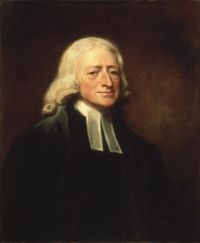
Humble, defined as the absence of pride or arrogance, is a moral quality emphasizing modesty and self-effacement. Authors such as Andrew Murray and John Wesley frame it as a path to divine grace, portraying humility as a means for spiritual growth and divine presence, as seen in Murray’s assertion that humility transforms suffering into joy.
Conversely, Friedrich Wilhelm Nietzsche critiques humility as a mask for falsity, highlighting its paradoxical role in both spiritual and existential contexts. Other writers, from Anonymous to Franz Hunolt, link humility to meekness, poverty, and divine favor, underscoring its dual role as a moral virtue and a channel for transcendence. The theme thus bridges human vulnerability and spiritual elevation, reflecting its enduring resonance across philosophical and religious thought.
 J. G. Holland,
Lessons in Life; A Series of Familiar Essays
J. G. Holland,
Lessons in Life; A Series of Familiar Essays