Nineveh

Definition and stakes

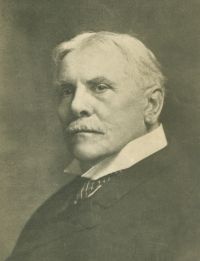
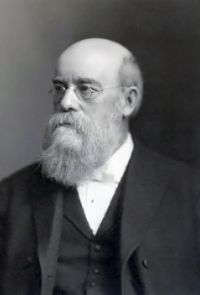
Portrait of Washington Gladden Washington Gladden,  Who Wrote the Bible? : a Book for the People

“ That great city Nineveh--a city which was, in its day, as Dr. Geikie says, "as intensely abhorred by the Jews as Carthage was by Rome, or France under the elder Napoleon was by Germany"--was a city dear to God! He had sent his own prophet to warn it of its danger; and his prophet, instead of being stoned or torn asunder, as the prophets of God had often been by their own people, had been heard and his message heeded. The Ninevites had turned to God, and God had forgiven them! God was no less ready to forgive and save Nineveh than Jerusalem. ”
Source: Gutenberg

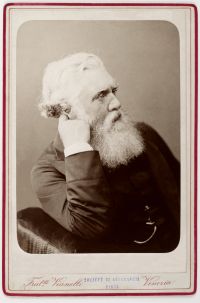
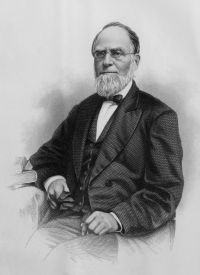
Portrait of John S. C. Abbott John S. C. Abbott,  The Wonders of the World (1856)

“ RUINS OF NINEVEH. Nineveh, famous in the ancient world, as the splendid capital of the Assyrian empire, had been hidden some two thousand years in its unknown grave, when a French savant and a wandering English scholar sought out the seat of that once mighty power, and throwing off its shroud of sand and ruin, revealed to the astonished world its temples, palaces, and idols, the representations of the wars of the ancient Assyrians, and their triumphs in civilization and art. ”
Source: Gutenberg

The Wonder Book of Bible Stories

“ And the people of Nineveh believed the word of the Lord as spoken by Jonah. They turned away from their sins and fasted and sought the Lord, from the greatest of them even to the least. The king of Nineveh arose from his throne, and laid aside his royal robes, and covered himself with sack-cloth and sat in ashes, as a sign of his sorrow. And the king sent out a command to his people that they should fast, and seek the Lord, and turn from sin. ”
Source: Gutenberg

Get perspective with Kwize: daily news enlightened by great literature