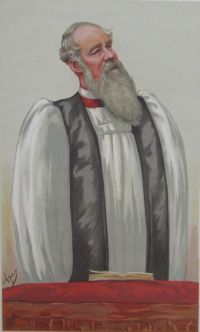
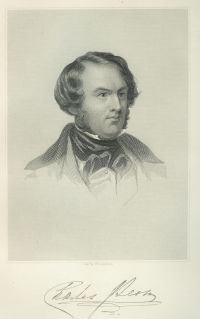
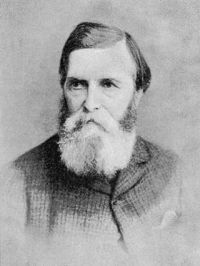
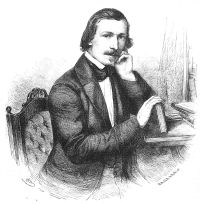
Assur, the ancient Mesopotamian god and city of Assyria, embodies both divine authority and human ambition, serving as a focal point for themes of power, faith, and existential security. Authors from the 18th to 19th centuries explored its multifaceted resonance: Samuel Johnson framed "assurance" as a human virtue compensating for flaws, while A. H.
Sayce contextualized Assyrian ferocity and religious devotion within historical narratives. J. C. Ryle connected spiritual confidence to perseverance against worldly loss, and Percival Leigh satirized commercial "assurance" as a product of gullible credulity. These varied perspectives, ranging from theological reflection to socio-economic critique, reveal Assur’s enduring symbolic influence, bridging divine legacy and human vulnerability.
 Samuel Johnson,
The Works of Samuel Johnson, LL.D. in Nine Volumes…
Samuel Johnson,
The Works of Samuel Johnson, LL.D. in Nine Volumes…