Usury

Definition and stakes

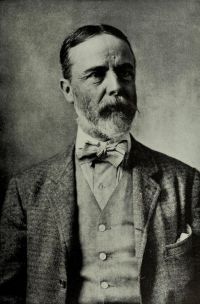
Portrait of John Ruskin John Ruskin,  Unto This Last, and Other Essays on Political Economy

“ It is, therefore, one of the essential, and quite the most fatal, forms of usury; for usury means merely taking an exorbitant sum for the use of anything, and it is no matter whether the exorbitance is on loan or exchange, in rent or in price—the essence of the usury being that it is obtained by advantage of opportunity or necessity, and not as due reward for labour. All the great thinkers, therefore, have [Pg 271] held it to be unnatural and impious, in so far as it feeds on the distress of others, or their folly. ”
Source: Gutenberg

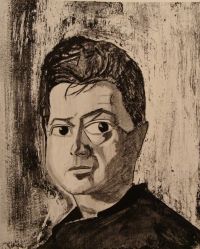
Portrait of Pierre-Joseph Proudhon Pierre-Joseph Proudhon,  What is Property? (1876)

“ The theologians always have opposed usury; but, since they have admitted always the legitimacy of rent, and since rent is evidently identical with interest, they have lost themselves in a labyrinth of subtle distinctions, and have finally reached a pass where they do not know what to think of usury. The Church—the teacher of morality, so jealous and so proud of the purity of her doctrine—has always been ignorant of the real nature of property and usury. ”
Source: Wikisource

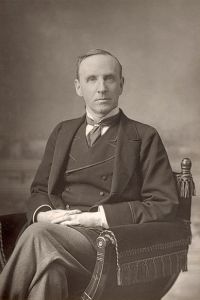
Calvin Elliott,  Usury

“ Under the principle of usury, property can produce as well as brain or muscle. One having property can control both.
His property places him in a position as a superior. He comes to forget the relations he bears to men as equals, and requires that those who have only their natural gifts shall be cringing supplicants before him or be denied his favor. The borrower or the laborer who asserts his rights is endangered by the man controlling property, who has him in his power.
”
Source: Gutenberg

Get perspective with Kwize: daily news enlightened by great literature