Summary

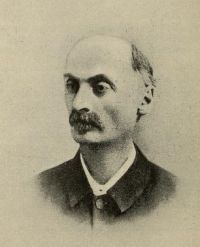
Portrait of A. H. Sayce A. H. Sayce Assyria: Its Princes, Priests and People

For generations the great oppressing city had slept buried beneath the fragments of its own ruins, its history lost, its very site forgotten. Its name had passed into the region of myth even in the age of the classical writers of Greece and Rome; Ninos or Nineveh had become a hero-king about whom strange legends were told, and whose conquests were fabled to have extended from the Mediterranean to India. Little was known of the history of the mighty Assyrian Empire beyond what might be learnt from the Old Testament, and that little was involved in doubt and obscurity.
Source: Gutenberg

Portrait of A. H. Sayce A. H. Sayce Assyria: Its Princes, Priests and People

True, the books are written upon clay, and not on paper, but they are none the less real books, dealing with all the subjects of knowledge known at the time they were compiled, and presenting us with a clear and truthful reflection of Assyrian thought and belief. We can not only trace the architectural plans of the Assyrian palaces, and study the bas-reliefs in which the Assyrians have pictured themselves and the life they led; we can also penetrate to their inmost thoughts and feelings, and read their history as they have told it themselves.
Source: Gutenberg

Portrait of A. H. Sayce A. H. Sayce Assyria: Its Princes, Priests and People

Human foresight could little have imagined that so great and terrible a power was so soon to disappear. And yet at the very moment when it seemed strongest and most secure, the Jewish prophet was uttering a prediction which the excavations of Botta and Layard have shown to have been carried out literally in fact. As we thread our way among the ruins of Nineveh, or trace the after history of the deserted and forgotten site, we see everywhere the fulfilment of Nahum's prophecy.
Source: Gutenberg

Get perspective with Kwize: daily news enlightened by great literature