Summary

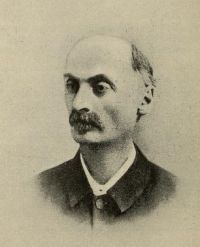
Portrait of A. H. Sayce A. H. Sayce Babylonians and Assyrians, Life and Customs

O prince, thou that art from everlasting, lord of all that exists, for the king whom thou lovest, whom thou callest by name, as it seems good unto thee, thou guidest his name aright, thou watchest over him in the path of righteousness! I, the prince who obeys thee, am the work of thy hands; thou hast created me and hast entrusted to me the sovereignty over multitudes of men, according to thy goodness, O lord, which thou hast made to pass over them all.
Source: Gutenberg

Portrait of A. H. Sayce A. H. Sayce Babylonians and Assyrians, Life and Customs

It was a land of clay and not of stone, and while it thus became necessary to ornament the plain mud wall of the house, the clay brick itself, when painted and protected by a glaze, was made into the best and most enduring of ornaments. The enamelled bricks of Chaldea and Assyria are among the most beautiful relics of Babylonian civilization that have survived to us, and those which adorned the Persian palace of Susa, and are now in the Museum of the Louvre, are unsurpassed by the most elaborate productions of modern skill.
Source: Gutenberg

Portrait of A. H. Sayce A. H. Sayce Babylonians and Assyrians, Life and Customs

He had given man all the elements of civilization; rising each morning out of his palace under the waters of the deep, he taught them the arts and sciences, the industries and manners, of civilized life. El-lil of Nippur, on the contrary, was the lord of the underworld; magical spells and incantations were his gifts to mankind, and his kingdom was over the dead rather than the living. The culture which emanated from Eridu and Nippur was thus of a wholly different kind.
Source: Gutenberg

Get perspective with Kwize: daily news enlightened by great literature