Ishtar

Definition and stakes

Babylonian Penitential Psalms (1921)

“ O valiant Ishtar, great is thy might!
Brilliant torch of heaven and earth, light of all dwellings,
Terrible in the fight, without a rival, strong in battle!
Flame that roarest against the foe, and cuttest off the mighty!
O furious Ishtar, summoner of armies!
O goddess of men, O goddess of women, whose counsel none may learn!
Where thou dost regard, the dead lives, the sick arises.
The unjust becomes just when he beholdeth thy face!
I, thy servant, sorrowful, sighing, suffering, invoke thee.
Look upon me, O my lady, accept my supplication.
”
Source: Wikisource

Epiphanius Wilson,  Babylonian and Assyrian Literature

“ And heard earth's wailing through the waning light,
With vegetation passing out of sight,
From the doomed world to Heaven he quickly flies,
While from the earth are rising fearful cries.
To Samas' throne he speeds with flowing tears,
And of the future dark he pours his fears.
To Sin, the moon-god, Pap-su-kul now cries
O'er Ishtar's fate, who in black Hades lies;
O'er Earth's dire end, which with Queen Ishtar dies;
To Hea he appeals with mournful cries:
"O Hea, our Creator, God and King!
”
Source: Gutenberg

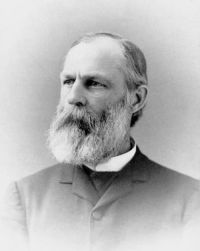
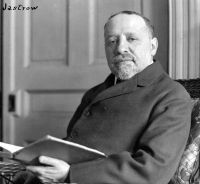
Portrait of Morris Jastrow Morris Jastrow,  The Religion of Babylonia and Assyria

“ In time, all the names that we have been considering—Innanna, Nanâ, and Anunit—became merely so many designations of Ishtar. She absorbs the titles and qualities of all, and the tendency which we have pointed out finds its final outcome in the recognition of Ishtar as the one and only goddess endowed with powers and an existence independent of association with any male deity, though even this independence does not hinder her from being named at times as the associate of the chief god of Assyria—the all-powerful Ashur. ”
Source: Gutenberg

Get perspective with Kwize: daily news enlightened by great literature