Merodach

Definition and stakes

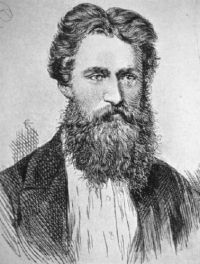
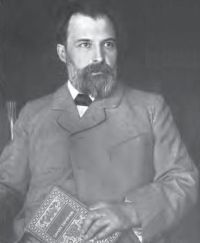
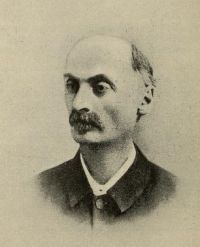
Portrait of Lewis Spence Lewis Spence,  Myths & Legends of Babylonia & Assyria

“ Belus (that is, Bel-Merodach) attacked and cut her in twain, forming the earth out of one half and the heavens out of the other, and destroying all the creatures over which she ruled. Then did Merodach decapitate himself, and as his blood flowed forth the other gods mingled it with the earth and formed man from it. From this circumstance mankind is rational, and has a spark of the divine in it. Then did Merodach divide the darkness, separate the heavens from the earth, and order the details of the entire universe. ”
Source: Gutenberg

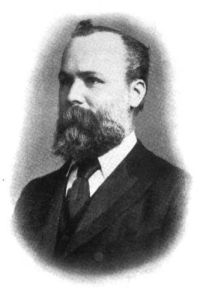
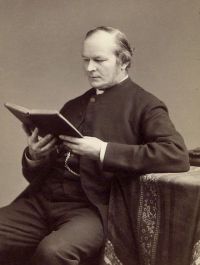
Portrait of A. H. Sayce A. H. Sayce,  The Religions of Ancient Egypt and Babylonia

“ Merodach was son of Ea only because he had been identified with Aṡari, who was son of Ea in the theology of Eridu. Henceforward Ea shines merely by reflected light. His wisdom is handed on to Merodach; even the creation of mankind is denied to him. It is not Ea, but Merodach, who conquers the dragon of chaos and introduces law and order into the world, and it is equally not Ea but Merodach who is the creator of all visible things. Ea is not robbed, like Bel of Nippur, of his name and prerogatives, he is simply effaced.242
[pg 308] Midway between Nippur and Eridu stood the city of Erech.
”
Source: Gutenberg

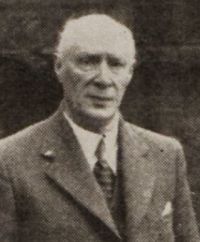
Portrait of A. H. Sayce A. H. Sayce,  Fresh Light from the Ancient Monuments

“ The title given to Merodach—“the god who raises the dead to life”—is a remarkable one, but it was a title which was applied to the god as early as the Accadian epoch. In the religious hymns of the Accadians, Merodach plays the part of a mediator and intercessor; if the gods are angry, it is Merodach who intercedes for man. Mankind, in fact, are his especial care ”
Source: Gutenberg

Get perspective with Kwize: daily news enlightened by great literature