Summary

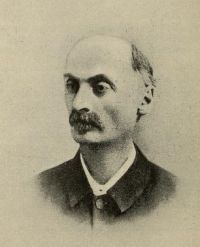
Portrait of A. H. Sayce A. H. Sayce The Religions of Ancient Egypt and Babylonia

I created the heavens and the secrets of the two horizons, and have ordered the souls of the gods. I am he who illuminates all things at the opening of his eyes; if he closes his eyes, all is dark. The water of the Nile rises when he bids it; the gods know not his name. I make the hours and create the days, I send the year and create the inundation, I make the fire that lives, I purify the house. I am Khepera in the morning, Ra at noon, and Tum at evening.’
“The venom departed not, it advanced further, the great god became no better.
Source: Gutenberg

Portrait of A. H. Sayce A. H. Sayce The Religions of Ancient Egypt and Babylonia

Who could have supposed that their religion inculcated a belief not only in the immortality of the soul or spirit, but in the resurrection of the body as well; and that they painted the fields of the blessed to which they looked forward after death as a happier and a sunnier Egypt, a land of light and gladness, of feasting and joy? We cannot judge what Egyptian religion was like merely from the writings of some of its literary men, or build upon them elaborate theories as to what priest and layman believed.
Source: Gutenberg

Portrait of A. H. Sayce A. H. Sayce The Religions of Ancient Egypt and Babylonia

All the attributes of divinity—his immensity, his eternity, his independence—place him at an infinite distance from ourselves; to comprehend and participate in them, we must make him think as we think, we must lend him our passions and subject him to our laws. God must take upon him, with human nature, all the weaknesses that accompany it, all the infirmities under which it labours; in a word, the Word must become flesh. The immaterial god must incarnate himself, must come to the land of Egypt and people it with the gods, his children.
Source: Gutenberg

Get perspective with Kwize: daily news enlightened by great literature