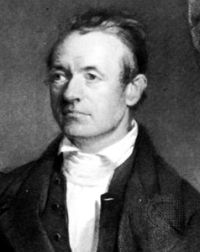
James Strong (1822–1888) was a theologian and lexicographer renowned for his meticulous linguistic scholarship. His most enduring work, Strong’s Exhaustive Concordance of the Bible, offers comprehensive Hebrew and Greek word studies, exemplified by entries that dissect terms like “akzib” or “zerubbabel” with etymological precision.
Complementing this, Greek in a Nutshell clarifies linguistic subtleties, such as the circumflex accent and breathings, crucial for analyzing biblical texts. Strong’s legacy lies in connecting biblical exegesis with linguistic precision, providing resources that remain essential for scholars and theologians. His work unites ancient languages with theological exploration, ensuring clarity in scriptural interpretation.