Vowel

Definition and stakes

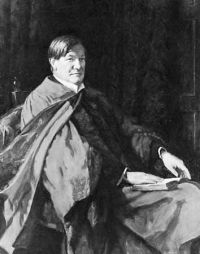
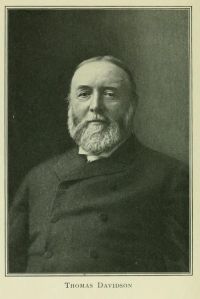
Portrait of Thomas Davidson Thomas Davidson,  Chambers's Twentieth Century Dictionary 1908… (1908)

“ Vowel, vow′el, n. a sound or tone produced by the unimpeded passage of the breath, when modified by the glottis into voice, through the tube of the mouth, which is made to assume different shapes by altering the form and position of the tongue and the lips—the letters a, e, i, o, u are called vowels, as being able to be sounded by themselves, with a continuous passage of the breath ”
Source: Wikisource

G. F. Graham,  A Book About Words

“ A point of great importance is to always carefully give the true sound to an unaccented vowel which begins a word. We should never let emotion degenerate into ‘immotion,’ ‘emergency’ into ‘immergency,’ ‘obedience’ into ‘ubbedience,’ &c. No accent, however, should be placed on these syllables, but the initial vowel should be always pronounced in its proper and pure sound. ”
Source: Gutenberg

R. G. Latham,  A Handbook of the English Language

“ Attention is directed to the word vowel. The longness or shortness of a vowel is one thing. The longness or shortness of a syllable another. This difference is [99] important in prosody; especially in comparing the English with the classical metres.
The vowel in the syllable see is long; and long it remains, whether it stand as it is, or be followed by a consonant, as in see-n, or by a vowel, as in see-ing.
The vowel in the word sit is short. If followed by a vowel it becomes unpronounceable, except as the ea in seat or the i in sight. By a consonant, however, it may be followed.
”
Source: Gutenberg

Get perspective with Kwize: daily news enlightened by great literature