Vocalization

Definition and stakes

Sir J. A. Fleming,  Waves and ripples in water, air… (1912)

“ Nothing is more remarkable than the extraordinary delicacy of the ear in this respect. Amongst all our scores of friends and acquaintances we recognize each by a quality of voice which we speak of as harsh, melodious, sympathetic, rasping, penetrating, or clear. This is not altogether a matter of enunciation or vocalization, for if different persons pronounce correctly the same vowel-sound, we can detect a great difference between their voices. ”
Source: Gutenberg

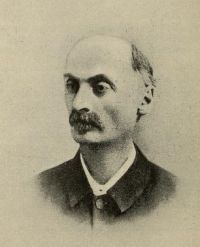
Portrait of Thomas Fillebrown Thomas Fillebrown,  Resonance in Singing and Speaking

“ Now vocalization is largely vowelization, and vocal tones are a complex of sound and resonance. The character of a vowel is given it by the shape of the vowel chamber; and the shaping of the vowel chamber depends upon delicate adjustment of the movable parts,—jaw, lips, cheeks, tongue, veil of the palate, and pharynx. While this adjustment is made through more or less conscious muscular action, the parts must never be forced into position; local effort to this end will invariably defeat itself. ”
Source: Gutenberg

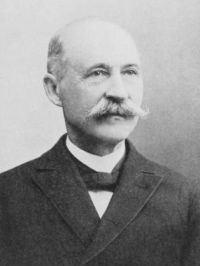
Portrait of Wesley Mills Wesley Mills,  Voice production in singing and speaking…

“ As the mind and the brain are always associated in thought and feeling; in other words, in psychic processes, and these latter find expression chiefly through movements, in one sense a study of vocalization may be considered a study of movements. These are always brought about by the use of several muscles which act together for a definite end—i.e., they are co-ordinated. ”
Source: Gutenberg

Get perspective with Kwize: daily news enlightened by great literature