Biological function

Definition and stakes

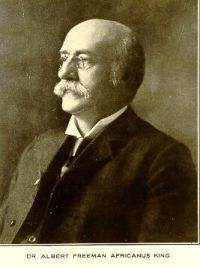
Portrait of Albert Freeman Africanus King Albert Freeman Africanus King,  Popular Science Monthly (1875)

“ Pathology, therefore, is really nothing else than modified physiology. Physiological development is the evolution of organs and the growth of organisms under the impression of natural external conditions; pathological development is the evolution of organs and the growth of organisms under the impression of unnatural external conditions. Adaptation of structure to function—of organisms to surrounding media—is the designed conservative purpose of both kinds of growth. ”
Source: Wikisource

Horatius Flaccus,  Life: Its True Genesis

“ No matter what we may call this point of vital activity in a cell--whether it be a bioplast, a plastid, a physiological unit, or a granule of "elementary life-stuff"--it simply performs the one single function of life to which it is specifically assigned in the process of "building up" any one identical individual of a species, whether it be a man, an ape, a tree, or a parasitic fungus. ”
Source: Gutenberg

Portrait of John Stuart Mill John Stuart Mill,  Inaugural address delivered to the University of St… (1867)

“ Physiology is also the first science in which we recognise the influence of habit—the tendency of something to happen again, merely because it has happened before. From physiology, too, we get our clearest notion of what is meant by development, or evolution. The growth of a plant or animal from the first germ is the typical specimen of a phenomenon which rules through the whole course of the history of man and society—increase of function, through expansion and differentiation of structure by internal forces. ”
Source: Wikisource

Get perspective with Kwize: daily news enlightened by great literature